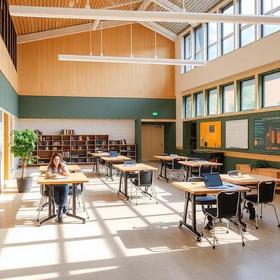

Boarding School Mental Wellness Post-Pandemic: Innovations & Best Practices
The conversation around student well-being has permanently shifted. In 2026, Boarding School Mental Wellness Post-Pandemic: Innovations & Best Practices is no longer a niche topic but a defining measure of institutional quality. Families evaluating boarding schools are asking deeper questions about mental health infrastructure, prevention models, crisis response, and long-term resilience. Educators are responding with new systems that go far beyond what existed before 2020.
This article examines how Boarding School Mental Wellness Post-Pandemic: Innovations & Best Practices have evolved, what leading schools are doing differently, and which approaches are proving most effective for today’s students.
Why Mental Wellness Looks Different After the Pandemic
The pandemic accelerated mental health challenges among adolescents, including anxiety, depression, social disconnection, and academic burnout. According to the Centers for Disease Control and Prevention, rates of persistent feelings of sadness and hopelessness among teens rose sharply during and after COVID-19.
For boarding schools, where students live and learn on campus, these challenges were especially visible. As a result, Boarding School Mental Wellness Post-Pandemic: Innovations & Best Practices now emphasize proactive care rather than reactive intervention.
Key shifts include:
Treating mental wellness as a campus-wide responsibility
Embedding prevention into daily routines and residential life
Normalizing mental health conversations among students and faculty
Expanded Counseling Models on Boarding Campuses