Updated
|
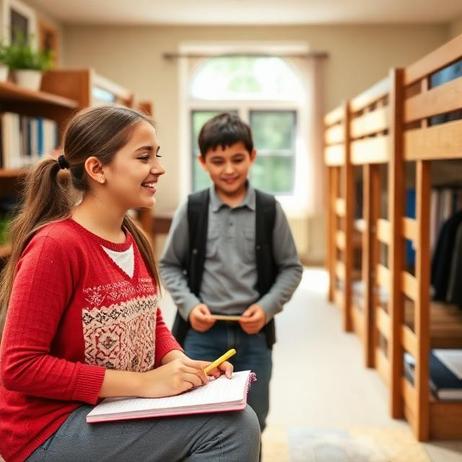
Homeschool to Boarding School Transition Guide
Learn how families can prepare for a successful homeschool to boarding school transition, from academics to social adjustment.

For many families, homeschooling offers flexibility, individualized instruction, and close family connection. Yet as students reach middle school or high school, some parents begin exploring boarding school as a pathway to greater academic rigor, extracurricular opportunities, college preparation, and social development.

The homeschool to boarding school transition can be highly successful, but it requires thoughtful preparation. Students moving from a home-based learning environment into a structured residential school setting often face adjustments in academics, independence, routines, and peer relationships.

In 2026, boarding schools are increasingly familiar with applicants from nontraditional educational backgrounds. Admissions offices have adapted their evaluation processes, and many schools now actively recruit homeschooled students who demonstrate curiosity, self-motivation, and strong family support.

Still, parents should understand the practical and emotional challenges involved before making the leap.

Why Homeschool Families Choose Boarding School

Families pursue boarding school for many reasons, and motivations often evolve over time.

Common factors include:

  • Access to advanced STEM, arts, or language programs
  • Greater athletic or performing arts opportunities
  • Preparation for competitive colleges
  • Desire for structured accountability
  • Expanded social experiences
  • Specialized learning support
  • Preparation for independent adulthood

For some students, the transition occurs naturally after years of successful homeschooling. Others may seek a new environment after outgrowing local academic options.

According to the National Center for Education Statistics, homeschooling remains a significant and growing segment of American education, particularly among families seeking personalized instruction. At the same time, many boarding schools have expanded mentoring, wellness, and transition programs to

. . .read more

Boarding Schools With the Best University Placement Rates

Updated
|
Boarding Schools With the Best University Placement Rates
Explore boarding schools with the best university placement rates in 2026 and learn what drives strong college admissions outcomes.

For many families, one of the biggest reasons to consider boarding school is college preparation. Academic rigor, personalized advising, residential structure, and extensive extracurricular opportunities can create a strong foundation for university admissions success. In 2026, boarding schools continue to stand out for their ability to place graduates at highly selective colleges and universities across the United States and internationally.

Still, parents should look beyond headline acceptance numbers. The best university placement outcomes are typically driven by a combination of experienced college counseling teams, strong academic programs, individualized student support, and a school culture that encourages long-term growth rather than admissions branding alone.

This guide explores what defines strong university placement rates, which boarding schools are consistently recognized for successful college matriculation, and how families can evaluate outcomes realistically.

For families beginning their search, the broader boarding school directory at https://www.boardingschoolreview.com/ offers updated 2026 school profiles, admissions information, and comparison tools.

What “University Placement Rates” Actually Mean

The phrase “university placement rates” can be misleading if viewed too narrowly. Most reputable boarding schools report some combination of:

  • Percentage of graduates attending four-year colleges
  • Acceptance rates to selective universities
  • Matriculation lists showing where graduates enroll
  • Number of admissions to Ivy League or top-ranked institutions
  • First-choice or top-choice university placements

A high-performing boarding school does not simply send students to elite universities. Instead, the strongest schools consistently help students find colleges that match their academic interests, career goals, and learning styles.

Parents should also remember that admissions outcomes

. . .read more

Technology Use in Boarding Schools: 2026 Parent Guide

Updated
|
Technology Use in Boarding Schools: 2026 Parent Guide
Explore how boarding schools use technology in 2026, from AI learning tools to screen-time policies, digital wellness, and campus safety.

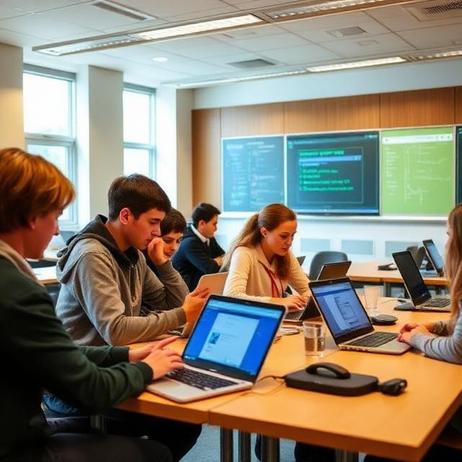
Technology use in boarding schools has changed dramatically over the past decade. In 2026, digital tools are no longer limited to computer labs and classroom projectors. Boarding schools now integrate technology into academics, residential life, student wellness, communication, and campus security.

For families evaluating boarding schools, understanding how schools manage technology is increasingly important. Parents want students to benefit from innovation without becoming overwhelmed by screens or digital distractions. Educators aim to balance academic rigor with responsible technology habits. Students expect connected learning environments that mirror the modern world they will eventually enter in college and the workforce.

Today’s boarding schools are working to strike that balance through thoughtful policies, structured oversight, and intentional digital education.

How Boarding Schools Use Technology Today

Most boarding schools now operate in highly connected learning environments. Campus-wide Wi-Fi, cloud-based coursework, and one-to-one device programs have become standard across many institutions.

Technology use in boarding schools commonly includes:

  • Learning management systems for assignments and grading
  • AI-assisted tutoring and study support
  • Digital textbooks and research databases
  • Virtual collaboration platforms
  • Classroom presentation and multimedia tools
  • Online parent communication portals
  • Campus safety and student monitoring systems

Many schools also integrate technology into arts, engineering, robotics, media production, and entrepreneurship programs.

Families interested in broader technology trends can also explore Technology & Boarding Schools in 2025 and Technology & Screen Time in Boarding Schools.

AI and Personalized Learning in 2026

Artificial intelligence has become one of the most significant developments in education. Boarding schools

. . .read more

How Boarding Schools Prepare Students for College

Updated
|
How Boarding Schools Prepare Students for College
Discover how boarding schools prepare students for college through academic rigor, independence, counseling, and leadership development.

For many families, choosing a boarding school is ultimately about one goal: preparing students for success in college and beyond. While strong academics remain central, modern boarding schools increasingly emphasize independence, resilience, leadership, and life skills alongside classroom achievement.

In 2026, colleges are evaluating applicants more holistically than ever. Admissions offices increasingly look for students who can manage rigorous workloads, contribute meaningfully to campus communities, and demonstrate maturity beyond standardized test scores. Boarding schools are uniquely positioned to cultivate those qualities because students live and learn within an immersive educational environment.

From structured residential life to advanced coursework and personalized college counseling, boarding schools prepare students for college in ways that extend well beyond academics.

Why Boarding Schools Are Designed for College Preparation

Most boarding schools operate with a college-preparatory mission. Academic schedules, advising systems, extracurricular opportunities, and residential programs are intentionally structured to mirror many aspects of university life.

Unlike traditional day schools, boarding schools provide continuous opportunities for students to practice:

  • Time management
  • Independent decision-making
  • Collaboration with peers
  • Self-advocacy
  • Academic discipline
  • Leadership development

These skills become increasingly important as colleges expect incoming students to navigate both academic and personal responsibilities independently.

According to the National Association of Independent Schools, independent schools continue to prioritize student wellness, leadership, and real-world readiness alongside academic rigor.

Academic Rigor That Mirrors College Expectations

One of the clearest ways boarding schools prepare students for college is through challenging academic programs designed to replicate university-level expectations.

Many boarding schools

. . .read more

What Parents Regret Not Asking Before Boarding School

Updated
|
What Parents Regret Not Asking Before Boarding School
Key questions parents should ask before choosing a boarding school, from academics and dorm life to wellness, costs, and college counseling.

Choosing a boarding school is one of the most consequential decisions a family can make. Parents often ask about tuition, academics, athletics, and college placement, but later realize they missed quieter questions that matter just as much: Who notices when my child is struggling? How structured are weekends? What happens if the school is not the right fit?

This guide, prepared in the style of Boarding School Review’s parent-focused resources, highlights the questions families most often wish they had asked earlier.

What Does Daily Life Actually Feel Like?

A school can look impressive during a tour, but daily life is what your child will experience. Parents should ask admissions officers and current students to describe a typical weekday and weekend.

Ask:

  • When do students wake up, study, exercise, and relax?
  • How much free time do students really have?
  • Are weekends structured, quiet, social, or activity-heavy?
  • What percentage of students stay on campus most weekends?

Families can compare answers with Boarding School Review’s guide to life at boarding school.

How Strong Is the Advisor System?

Many parents regret not asking who will know their child well. In boarding school, the advisor, dorm parent, coach, and teachers often form the support network.

Ask how often advisors meet with students, how parents are updated, and who coordinates concerns across academics, health, and residential life. A strong advisor system should not depend on luck or personality fit. It should be built into the school’s structure.

What Happens When a Student Struggles?

Every student

. . .read more

Recent Articles

What Happens If You Fail a Class at Boarding School?
Learn what happens if you fail a class at boarding school, including academic probation, support programs, credit recovery, and college implications.
Independent Study and Research Opportunities at Boarding Schools
Explore independent study and research opportunities at boarding schools, including mentorship, capstone projects, and college preparation benefits.
Do Boarding School Students Study More? Daily Schedule Breakdown
Discover how much boarding school students really study with a realistic daily schedule breakdown and comparison to traditional day schools.