Why Boarding School

The decision to attend boarding school is not an easy one. While the quality of resources, activities, and academics offered by boarding schools may be found in local schooling options, boarding schools offer a unique set of benefits and experiences. Our informative articles cover the history of boarding schools in the US, explore the varied types of schools, and provide an overview on why boarding school can be an excellent educational option for your child. Learn more about issues affecting international students, identify some of the oldest and most prestigious boarding schools in the US, and review expert advice on making the right choice.

View the most popular articles in Why Boarding School:

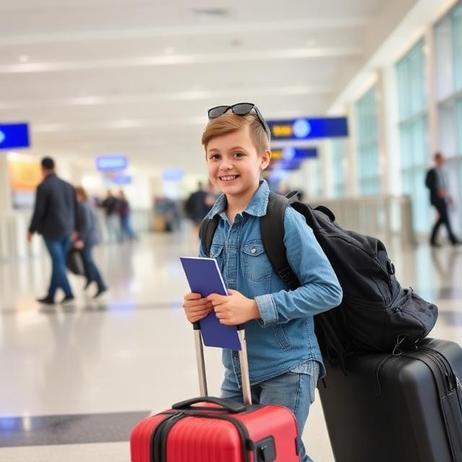
Safe Travel Guide for International Boarding Students

Updated
|
Safe Travel Guide for International Boarding Students
A practical 2026 guide to visas, guardians, airports, and safe travel planning for international boarding school students.

Safe Travel Guide for International Boarding Students (Airports, Guardians, Visas)

For families sending a child abroad for boarding school, travel logistics can feel almost as important as choosing the right school. A well-planned journey helps students arrive safely, confidently, and prepared to begin life in a new country. From visa requirements and airport procedures to guardian arrangements and emergency planning, every detail matters.

This safe travel guide for international boarding students outlines the key steps families should take before departure, during travel, and upon arrival. With international student mobility continuing to grow in 2026, boarding schools are strengthening support systems, but parents still play a critical role in ensuring a smooth transition.

Why Travel Planning Matters for Boarding Students

International boarding students often travel independently or with limited supervision. Unlike a family vacation, a school journey may involve:

  • Long-haul international flights
  • Immigration and customs procedures
  • School-arranged transportation
  • Guardian requirements
  • Visa compliance obligations
  • Emergency communication planning

Careful preparation reduces stress and helps students navigate unfamiliar environments with confidence.

Essential Travel Documents Checklist

Before booking flights, families should verify that all required documentation is complete and valid.

Core Documents

Students should carry:

  • Valid passport
  • Student visa or study permit
  • School acceptance letter
  • Enrollment confirmation documents
  • Travel itinerary
  • Emergency contact information
  • Health insurance documentation
  • Guardian contact information (if applicable)

Experts recommend carrying both physical and digital copies of important documents.

Create a Travel Folder

Many boarding schools advise students to keep documents organized in a dedicated travel folder containing:

. . .read more

When to Pull Your Child Out of Boarding School

Updated
|
When to Pull Your Child Out of Boarding School
Learn when to pull your child out of boarding school, warning signs to watch for, and how parents can plan a responsible transition.

Deciding when to pull your child out of boarding school is one of the hardest choices a parent can face. Boarding school can offer structure, independence, academic challenge, and close mentoring. Yet even a strong school may not be the right environment for every child at every stage.

The key is to distinguish normal adjustment challenges from signs that the placement is harming your child’s well-being, learning, or sense of safety. Homesickness, roommate conflict, academic pressure, and frustration are common in residential school life. Persistent distress, worsening mental health, repeated safety concerns, or a clear mismatch between the school’s support system and your child’s needs may call for a different decision.

Parents should begin with careful documentation, direct communication with school leaders, and outside professional guidance when needed. Boarding School Review's guide to mental health and wellness at boarding schools is a useful starting point for understanding what support should look like on campus.

When to Pull Your Child Out of Boarding School: Warning Signs

A difficult first term does not automatically mean a child should leave. Many students need time to adjust to dorm routines, shared living, higher academic expectations, and separation from home. Boarding School Review’s overview of life at boarding school explains why the transition can feel intense at first.

Still, parents should take certain patterns seriously:

Warning sign What parents should ask
Ongoing anxiety, depression, or panic Is the school providing timely, qualified support?
Repeated illness, sleep disruption, or weight change Could stress or environment
. . .read more

Homeschool to Boarding School Transition Guide

Updated
|
Homeschool to Boarding School Transition Guide
Learn how families can prepare for a successful homeschool to boarding school transition, from academics to social adjustment.

For many families, homeschooling offers flexibility, individualized instruction, and close family connection. Yet as students reach middle school or high school, some parents begin exploring boarding school as a pathway to greater academic rigor, extracurricular opportunities, college preparation, and social development.

The homeschool to boarding school transition can be highly successful, but it requires thoughtful preparation. Students moving from a home-based learning environment into a structured residential school setting often face adjustments in academics, independence, routines, and peer relationships.

In 2026, boarding schools are increasingly familiar with applicants from nontraditional educational backgrounds. Admissions offices have adapted their evaluation processes, and many schools now actively recruit homeschooled students who demonstrate curiosity, self-motivation, and strong family support.

Still, parents should understand the practical and emotional challenges involved before making the leap.

Why Homeschool Families Choose Boarding School

Families pursue boarding school for many reasons, and motivations often evolve over time.

Common factors include:

  • Access to advanced STEM, arts, or language programs
  • Greater athletic or performing arts opportunities
  • Preparation for competitive colleges
  • Desire for structured accountability
  • Expanded social experiences
  • Specialized learning support
  • Preparation for independent adulthood

For some students, the transition occurs naturally after years of successful homeschooling. Others may seek a new environment after outgrowing local academic options.

According to the National Center for Education Statistics, homeschooling remains a significant and growing segment of American education, particularly among families seeking personalized instruction. At the same time, many boarding schools have expanded mentoring, wellness, and transition programs to

. . .read more

What Parents Regret Not Asking Before Boarding School

Updated
|
What Parents Regret Not Asking Before Boarding School
Key questions parents should ask before choosing a boarding school, from academics and dorm life to wellness, costs, and college counseling.

Choosing a boarding school is one of the most consequential decisions a family can make. Parents often ask about tuition, academics, athletics, and college placement, but later realize they missed quieter questions that matter just as much: Who notices when my child is struggling? How structured are weekends? What happens if the school is not the right fit?

This guide, prepared in the style of Boarding School Review’s parent-focused resources, highlights the questions families most often wish they had asked earlier.

What Does Daily Life Actually Feel Like?

A school can look impressive during a tour, but daily life is what your child will experience. Parents should ask admissions officers and current students to describe a typical weekday and weekend.

Ask:

  • When do students wake up, study, exercise, and relax?
  • How much free time do students really have?
  • Are weekends structured, quiet, social, or activity-heavy?
  • What percentage of students stay on campus most weekends?

Families can compare answers with Boarding School Review’s guide to life at boarding school.

How Strong Is the Advisor System?

Many parents regret not asking who will know their child well. In boarding school, the advisor, dorm parent, coach, and teachers often form the support network.

Ask how often advisors meet with students, how parents are updated, and who coordinates concerns across academics, health, and residential life. A strong advisor system should not depend on luck or personality fit. It should be built into the school’s structure.

What Happens When a Student Struggles?

Every student

. . .read more

Safety in Boarding Schools: 2026 Guide for Parents

Updated
|
Safety in Boarding Schools: 2026 Guide for Parents
Explore how boarding schools approach student safety in 2026, from campus security and mental health support to bullying prevention and wellness policies.

For families considering residential education, safety in boarding schools remains one of the most important factors in the decision-making process. Parents want reassurance that their children will live in a secure, supportive environment where academic growth is balanced with physical safety, emotional well-being, and responsible supervision.

In 2026, boarding schools are approaching student safety with far greater sophistication than in previous decades. Modern campuses now integrate advanced security systems, mental health services, structured residential oversight, and comprehensive student wellness policies. At the same time, families are asking more detailed questions about bullying prevention, digital safety, emergency preparedness, and staff accountability.

While no educational environment is entirely risk-free, many boarding schools have invested heavily in creating safer and more transparent communities. Understanding how these systems work can help parents evaluate schools more effectively and identify programs that prioritize student well-being.

How Boarding Schools Define Student Safety Today

Safety in boarding schools now extends far beyond locked dormitories and curfews. Leading schools increasingly take a holistic approach that includes:

  • Physical campus security
  • Student mental health support
  • Bullying and harassment prevention
  • Cybersecurity and digital citizenship
  • Medical and emergency preparedness
  • Residential supervision
  • Staff training and accountability

The residential nature of boarding schools creates both additional responsibilities and unique advantages. Because students live on campus, faculty and residential staff interact with them throughout the day and evening, often allowing concerns to be identified earlier than in traditional day-school settings.

Families researching schools should look for evidence that safety practices are embedded into

. . .read more

Recent Articles

What Happens If You Fail a Class at Boarding School?
Learn what happens if you fail a class at boarding school, including academic probation, support programs, credit recovery, and college implications.
Independent Study and Research Opportunities at Boarding Schools
Explore independent study and research opportunities at boarding schools, including mentorship, capstone projects, and college preparation benefits.
Do Boarding School Students Study More? Daily Schedule Breakdown
Discover how much boarding school students really study with a realistic daily schedule breakdown and comparison to traditional day schools.

Featured Schools

Featured Schools

Why Boarding School

ABOUT BOARDING SCHOOLS
Here you’ll find basic information on boarding schools and why they may be the best choice for your child. Get answers to some of the most frequently asked questions, dispel boarding school myths, and learn what separates a boarding school from other private school options.
KINDS OF SCHOOLS
There are several types of boarding schools, each offering a unique set of experiences. The articles in this section will provide more information on college preparatory, junior and therapeutic boarding schools. Here you will explore the pros and cons of single sex education, learn the truth about military schools and identify schools with programs for learning disabled students.
INTERNATIONAL STUDENTS
US Boarding schools attract students from all over the world. International students often face a unique set of challenges. This section will cover topics relevant to global students. From English immersion to preparing for entry into a US college or university, we’ll provide helpful tips and resources to help international students make informed decisions.
HISTORY
This section provides a comprehensive look at the history of boarding schools in the US. We’ll cover the evolution of private schools, as learn the importance of school mottoes and explore the history of 15 schools and their founders.
BOARDING SCHOOL ISSUES
We’ll keep you informed about the most important issues facing boarding schools today. From student life to rising tuition costs, you’ll find the latest information on the most important problems affecting boarding schools and the students that attend them.
SCHOOL LIFE
For boarding school students, the campus is home. Explore dormitory living, get expert advice on learning and living away from home and learn more about what can be done to help your child transition to and succeed in boarding school.