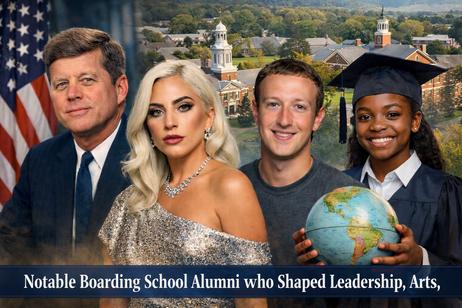
Famous Boarding School Alumni and What They Teach Parents in 2026
When parents research boarding schools, they often ask a practical question: What kind of outcomes can this education produce? One way to answer that question is to examine famous boarding school alumni. While celebrity success is never guaranteed, alumni stories provide insight into the long-term value of structure, independence, mentorship, and academic rigor.
From U.S. presidents to Academy Award winners and technology innovators, boarding school graduates often credit their formative years for shaping resilience and leadership. In 2026, as families weigh educational choices in a rapidly evolving world, these examples offer timely lessons.
Below, we examine notable alumni from leading boarding schools and explore what their journeys can teach parents today.
Leadership and Public Service: Character Before Credentials
Among the most frequently cited famous boarding school alumni are U.S. presidents.
John F. Kennedy, who attended Choate Rosemary Hall
Franklin D. Roosevelt, who attended Groton School
George H. W. Bush, who attended Phillips Academy
These leaders came of age in structured academic communities that emphasized public speaking, debate, service, and responsibility. Boarding schools historically prioritized honor codes and student leadership, experiences that prepared students for civic life.
According to the National Association of Independent Schools, independent schools continue to emphasize character education and ethical leadership alongside academic excellence. In 2026, this focus