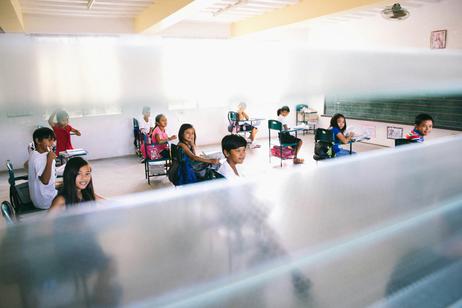

Sending your child abroad to attend a U.S. boarding school is a major decision—especially for international families. In 2025, with evolving visa regulations, rising tuition, and shifting global competition, understanding the ins and outs of U.S. boarding for international students is more critical than ever. This article guides parents, students, and educators through key considerations, best practices, benefits, and risks of enrolling as an international boarding student in the U.S.
Why Consider a U.S. Boarding School as an International Student
Academic & Preparatory Advantages
U.S. boarding schools often offer:
- Rigorous, college-preparatory curricula (AP, honors, or even IB)
- Close faculty access, small class sizes, and structured academic supervision
- College counseling and alumni networks oriented toward U.S. higher education
- Immersion in English and American culture, which helps transition to U.S. colleges
These elements can give international students a stronger footing when applying to U.S. universities.
Cultural Exposure & Network Building
Living on campus allows students to:
- Forge friendships with peers from across the U.S. and the world
- Develop cross-cultural skills, global mindsets, and independence
- Access extracurriculars, leadership opportunities, and advanced facilities
Many boarding schools in the U.S. actively recruit and support international students. For example, Canterbury School in Connecticut outlines a detailed application and aid process for international applicants. ( cbury.org ) Similarly, CH-CH School emphasizes English immersion and close college advising for their international cohort.
Global Reach & Prestige
Schools such as those in the TABS (The Association of Boarding Schools) network host over 10,000 international students from more than 150 countries