
This article has been updated to reflect 2026 data and recent developments
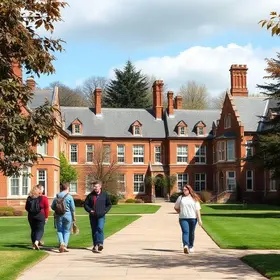
Teaching or working in a boarding school is quite unlike any job in a day school. Why? Because in most schools you will live above the store as it were. Most faculty, deans, and heads of school as well as some key support staff such as the admissions and development directors are housed in school accommodations as part of their conditions of employment. Boarding School Review continues to describe boarding school teaching in 2026 as a multifaceted role that can combine classroom instruction with residential and extracurricular responsibilities.
For prospective teachers, that residential component is an important consideration. Working at a boarding school may involve responsibilities that extend beyond teaching classes. Depending on the position and the school, faculty members may coach teams, advise clubs, supervise study periods, participate in weekend activities, or help oversee residential life. Candidates should review the specific expectations attached to a position before applying.
Home and School
Boarding schools are self-contained communities. Students and faculty eat together. They share relaxing times watching TV and playing games together. That is because teachers and staff in a boarding school function in loco parentis. They take the place of parents literally and figuratively. They play a powerful role in shaping and guiding their young charges while they are at school. Because the students cannot escape at the end of classes, they cannot avoid teachers' strong influence on them. This is a major reason many parents send their sons and daughters off to boarding school. The article remains current in 2026 and describes close faculty relationships as one of the distinctive features of boarding education.
Living and working in the same community can give teachers opportunities to know students beyond their academic performance. A student who is quiet in the classroom, for example, may emerge as a leader on an athletic team, in a dormitory, or during an extracurricular activity. These different settings can help faculty members understand students more fully.
The arrangement also requires teachers to recognize that residential school employment can blur some of the boundaries between work and home. Prospective employees should ask how evening and weekend responsibilities are scheduled and what expectations accompany faculty housing.
This video offers an overview of Woodberry Forest School.
Finding a Job
How do you find a job in a private school? The best way is to use your network. Alums, colleagues past and present, friends, and family constitute the most important group of people who know you and can attest to your suitability, skills, and experience for employment better than anybody. They will often be your references simply because they are fans of your work and know you intimately.
In 2026, candidates can supplement personal networking with online employment resources. The National Association of Independent Schools Career Center provides independent school employment resources and opportunities for job seekers. Individual boarding schools also commonly publish current openings through the employment or careers sections of their websites.
As far as credentials are concerned, possessing a teaching license is good. You will have hurdles to jump over if you are a foreign national. They are not insurmountable but they are very real. Foreign nationals considering employment in the United States should check current work authorization requirements through U.S. Citizenship and Immigration Services.
Candidates should also read each job description carefully. Boarding schools may value subject expertise along with the ability to contribute to athletics, arts, advising, residential life, or other areas of the school community. The exact qualifications and responsibilities vary considerably by school and position.
There are a few tricks to applying for a private school job. The main one is to ensure you get across your love of teaching. Beware if you are seeking employment at a boarding school for any other reason. You must love teaching AND you must love being around young people 24/7. If you don't, you will not be happy and you will not last long.
That description remains relevant in 2026. Boarding School Review's A Survival Guide For Boarding School Teachers explains how boarding school educators may know students in several different roles and settings beyond the classroom.
Before accepting a position, ask what the complete workload involves. A teaching assignment that appears conventional on paper may also include coaching, advising, dormitory duty, evening study hall, or weekend responsibilities. Candidates should also ask about housing, meals, benefits, professional development, and other elements of the compensation package when applicable.
If you are invited to the school for an interview, expect a serious vetting process. Schools are extremely particular about hiring new faculty. They will most likely send you around to several people, including a dean, a head of school, her assistant, and your future department chairperson. Be prepared for a thorough grilling if the powers that be decide you are a serious contender for the position.
Boarding schools in 2026 also continue to place considerable importance on the responsibilities of adults working and living with students. Boarding School Review's A Day in the Life of a Dorm Parent: Inside Residential Faculty Life provides additional insight into the residential responsibilities faculty members may assume.
An interview is also your opportunity to evaluate the school. Ask how faculty responsibilities are divided, how often teachers have evening or weekend duty, and what support is available to new employees. If housing is part of the position, ask exactly what is provided and what responsibilities are connected with living on campus.
Are you gay? Be honest about your lifestyle. In many schools, it will not be an issue. In 2026, applicants should also review each school's current nondiscrimination and employment policies.
Ultimately, working at a boarding school means becoming part of a residential community as well as joining a faculty. For teachers who enjoy contributing to school life beyond the classroom, that environment can offer a distinctive professional experience. Understanding the academic, residential, extracurricular, and personal expectations before accepting a position can help candidates determine whether boarding school life is right for them.
If luck is on your side, you will receive the happy news you have been waiting for. Welcome to St. Swithin's!