Military boarding schools have been part of the U.S. educational landscape for more than a century. In 2026, families and educators are revisiting the question: do these institutions still hold value in an era defined by alternative pathways, evolving student needs, and significant cost pressures? This article examines updated data, modern trends, and practical planning considerations for parents evaluating military boarding school options today.
Understanding the Model
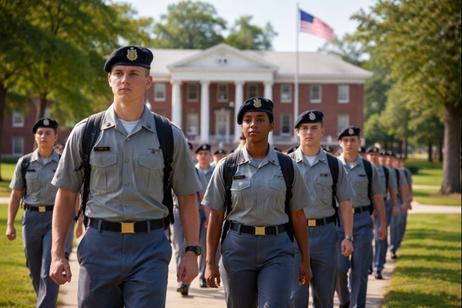
Military boarding schools are residential, college-preparatory schools that incorporate elements of military structure, discipline, leadership development, uniforms, and often Junior ROTC or equivalent cadet programs. Unlike the U.S. service academies, attendance does not require a commitment to military service. Instead, the model blends structured routines with academic preparation and leadership skill building.
How Many Schools and Students Today
For the 2026 school year, there are 14 military boarding schools in the United States and Canada serving approximately 3,700–3,703 students. These schools range in size, mission, and cost, but share a common emphasis on leadership and structured residential life.
Why the Model Still Offers Value
Military boarding schools remain relevant for families seeking specific educational outcomes:
Leadership and Discipline: Schools emphasize structured environments that practice time management, responsibility, and leadership roles in daily life.
Academic Preparation: Many military boarding schools offer rigorous college preparation similar to other private boarding schools, with small class sizes and individualized support.
Residential Community and Peer Development: Living on campus creates a close-knit environment that fosters peer learning, mentorship, and lasting relationships.
Transferable Life Skills: Beyond academics, students report gains in resilience, accountability, time management, and confidence — traits valued in college admissions and future careers.
These strengths reflect what many parents continue to seek in a robust secondary education experience. Structured environments are often contrasted with more flexible or less disciplined experiences in some traditional public or private day schools.
Updated Costs in 2026
Tuition and fees at military boarding schools vary widely:
Mid-range private military boarding: Many schools list tuition in the $35,000 to $65,000 range for full boarding, plus uniforms, activity, and incidental fees.
Premier programs: Some top schools can exceed $60,000 to $70,000 annually before aid.
Boarding schools often include uniforms and basic services in tuition, but separate fees for uniforms and supplies can add several thousand dollars in the first year.
The broad range underscores the importance of reviewing each school’s financial aid opportunities; many schools provide need-based aid, merit scholarships, or multi-year payment plans to make boarding education more accessible.
Enrollment and Demographic Shifts
Military boarding schools operate in a niche segment of private education with modest overall enrollment compared to traditional day and boarding schools. This reflects a broader trend in private school enrollment, where many schools face a slowing demand due to shifting demographics and increased competition from alternative educational models.
For military families generally, public Department of Defense schools (DoDEA), magnet schools, and other local options often serve as primary schooling choices, in part because military-connected children move frequently — an average of 6–9 times before high school graduation.
Policy and External Influences in 2026
While military boarding schools are private, broader military-connected education has seen notable developments:
Military-connected public education through the Department of Defense Education Activity (DoDEA) serves more than 67,000 students worldwide in 161 schools and often achieves graduation and college acceptance rates above U.S. public averages.
Supportive policies for military families aim to improve transitions and well-being, including protections for school moves, enhanced counseling, and standardized requirements under the Military Interstate Compact.
Safety and wellness reforms in school systems, including DoDEA, reflect increasing attention to mental health and student support services for high-mobility families.
These contextual developments help place military boarding schools within the wider military education ecosystem.
Recent School Trends and Examples
Several individual schools illustrate broader trends:
Valley Forge Military Academy announced closure after the 2025–26 academic year due to rising costs and enrollment challenges, underscoring sustainability pressures even among historic institutions.
New York Military Academy continues to offer co-educational boarding with robust tuition packages and supplemental fees, reflecting evolving institutional models.
Army and Navy Academy and others report ongoing enrollment cycles for Fall 2026 and Spring openings, with rolling admissions in some cases.
These examples signal both continuity and change: some schools adapt, others confront sustainability pressures.
Who Benefits Most from Military Boarding Schools
Military boarding schools are not universally suitable, but they align strongly with certain family profiles:
Students seeking structure and routine who thrive under clear expectations.
Families prioritizing leadership development as part of educational outcomes.
Students aiming for college preparatory experiences with added discipline and community expectations.
Families prepared for residential life, travel logistics, and separation from home.
By contrast, students seeking more flexible, individualized, or therapeutic educational settings may find traditional boarding or day schools, magnet programs, or specialized arts or sciences academies a better fit.
Cost Planning and Parent Considerations in 2026
Parents should consider five key areas when planning:
-
Tuition and Aid
Understand total cost, room and board, uniforms, travel, and optional fees; ask about financial aid deadlines and policies. -
Admissions Timeline
Applications commonly open for Fall in the preceding year, with varying deadlines and rolling admissions windows at some schools. -
Support Services
Evaluate mental health, academic tutoring, and wellness offerings — increasingly important for today’s students. -
Visit and Fit
Campus visits and conversations with current families can clarify whether the military model aligns with your student’s temperament and goals. -
Outcomes and Transitions
Ask about college acceptance data, leadership outcomes, alumni networks, and how the school supports transitions to life after graduation.
Conclusion
In 2026, military boarding schools remain relevant, but relevance is conditional. For families aligned with their structured, leadership-focused environment, these schools can provide significant academic and personal benefits. At the same time, cost, market pressures, and evolving parental expectations around wellness and flexibility mean they are not the right choice for every student.
The model’s continued existence reflects a niche but enduring demand. It remains most compelling when a student’s academic ambitions, personal temperament, and family logistics align with the institutional mission. Careful research, early planning, and a clear understanding of fit will help families determine whether a military boarding school is the right educational path for their student in 2026.