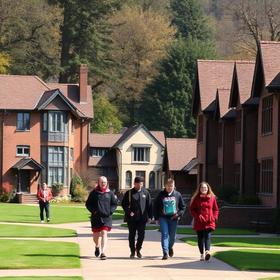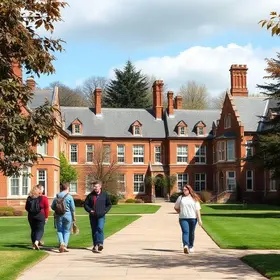

When families tour boarding schools, they often focus on academics, college placement, athletic facilities, and campus aesthetics. Those factors certainly matter. However, one of the most influential people in a boarding student's daily life is often someone parents spend only a few minutes with during the admissions process: the dorm parent.
Dorm parents occupy a unique role within the boarding school experience. They serve as mentors, supervisors, advisors, problem-solvers, and trusted adults who help students navigate the challenges of living away from home. While teachers may see students for an hour each day, dorm parents often witness how students manage friendships, stress, independence, and personal growth outside the classroom.
The quality of a boarding school's residential life program can significantly shape a student's experience. Yet many families leave campus visits without asking the questions that reveal what dorm life is actually like.
If you're evaluating boarding schools, consider using these questions to gain a deeper understanding of the residential environment your child may soon call home.
Why Dorm Parents Matter More Than Many Families Realize
One of the defining characteristics of boarding school is that education extends beyond the classroom. As we discuss in our article on why boarding school remains a unique educational experience, students learn independence, responsibility, time management, and interpersonal skills through daily life in a residential community.
Dorm parents play a central role in that process.
At most schools, dorm parents live in or adjacent to student residences and interact with students throughout the day and evening. They supervise study hours, help resolve conflicts, provide emotional support, coordinate activities, and often become trusted mentors during a student's most formative years.
A well-run dorm can become a second home. Understanding how that environment functions should be a key part of every family's school evaluation process.
Question #1: How Long Have You Been a Dorm Parent Here?
This simple question often reveals a great deal about a school's residential culture.
Long-tenured dorm parents may indicate institutional stability and strong community relationships. Newer dorm parents are not necessarily a concern, but high turnover within residential staff can sometimes signal broader challenges.
Listen carefully to how staff describes their experience and what keeps them engaged in residential life.
Question #2: What Does a Typical Evening Look Like?
Admissions tours frequently highlight classrooms and facilities but provide little insight into daily residential routines.
Ask dorm parents to walk you through a typical evening. Learn when study hall begins, how students spend free time, what supervision looks like, and how social activities are structured.
Their answer often provides a more realistic picture of student life than any brochure or website.
Question #3: How Do You Help New Students Adjust?
Even confident students can experience homesickness during their first weeks away from home.
Ask how dorm parents support new students as they transition into boarding life. Some schools have formal mentorship programs, while others rely on dorm leaders, faculty advisors, or peer support systems.
Families concerned about adjustment challenges may also find value in our article on common boarding school myths, which addresses many misconceptions about life away from home.
Families seeking additional guidance on helping teenagers adapt to residential environments may find resources from the American Boarding Schools Association helpful during the transition process.
Question #4: What Are the Most Common Challenges New Students Face?
This question often produces some of the most candid and revealing answers.
Experienced dorm parents can identify recurring patterns involving homesickness, roommate dynamics, time management, academic adjustment, and social integration.
More importantly, their response reveals whether the school approaches these challenges proactively or reactively.
Question #5: How Are Roommate Conflicts Handled?
Few aspects of boarding school generate more anxiety among parents than roommate relationships.
Rather than asking whether conflicts occur, ask how they are addressed when they inevitably arise.
Strong residential programs teach students how to communicate effectively, resolve disagreements respectfully, and develop healthy interpersonal skills that will benefit them well beyond high school.
Question #6: How Accessible Are You Outside of Scheduled Hours?
Students rarely experience personal challenges on a convenient schedule.
Ask dorm parents how students reach them during evenings, weekends, and emergencies. Learn whether faculty families live nearby and how support systems function after traditional school hours.
The answer can provide important insight into student safety and emotional support structures.
Question #7: How Do You Balance Independence and Supervision?
One reason many families choose boarding school is to help students develop greater independence before college.
The best residential programs strike a careful balance between freedom and accountability. Students should have opportunities to make decisions, manage responsibilities, and learn from mistakes while still benefiting from appropriate guidance and oversight.
Dorm parents should be able to explain this balance clearly.
Question #8: How Do You Get to Know Students Personally?
Strong dorm communities are built on relationships.
Ask how dorm parents connect with students beyond enforcing rules. Do they host gatherings? Share meals? Attend athletic events? Participate in extracurricular activities?
Students are more likely to seek guidance from adults they know and trust.
Question #9: What Happens When a Student Is Struggling Emotionally?
Adolescence can be challenging under any circumstances. Living away from home adds another layer of complexity.
Ask how dorm staff identify students who may be struggling and what resources are available. Many schools have counselors, wellness programs, and support teams, but the effectiveness of those resources often depends on early intervention and strong communication.
The American Academy of Pediatrics offers additional information through its adolescent wellness resources at AAP.org.
Question #10: How Do Dorm Communities Build Connections?
Every boarding school emphasizes community, but community develops differently at each institution.
Some schools organize regular dorm competitions, service projects, weekend activities, and social events. Others foster community through informal traditions and shared experiences.
Ask for specific examples rather than general descriptions.
Research from the Search Institute continues to highlight the importance of developmental relationships and supportive adult mentors in adolescent growth, making strong dorm communities especially valuable during the teenage years.
Question #11: What Role Do Student Leaders Play?
Many boarding schools rely on prefects, proctors, dorm leaders, or resident assistants to help support younger students.
Understanding these leadership structures can reveal how responsibility is distributed within the dorm and how students contribute to the overall culture.
Leadership opportunities are often among the most valuable aspects of the boarding school experience.
Question #12: How Are Parents Kept Informed?
While boarding school encourages independence, parents still need meaningful communication.
Ask how dorm parents communicate concerns, successes, behavioral issues, and significant developments. Learn when families should expect updates and when communication occurs only if problems arise.
Clear expectations can help avoid misunderstandings later.
Question #13: What Do Students Wish Their Parents Understood About Dorm Life?
This question often generates thoughtful responses.
Dorm parents interact with hundreds of students over the years and frequently develop a unique perspective on the transition from home to residential living.
Their answers can help parents better understand the student experience and prepare for the adjustments ahead.
Question #14: What Makes This Dorm Community Unique?
Every boarding school has a different culture.
Some dorms are highly structured. Others emphasize independence. Some are known for traditions, while others focus heavily on mentorship or academic support.
Asking what makes a particular dorm unique often reveals the qualities that cannot be captured through statistics or rankings.
Families evaluating overall school culture may also benefit from reading our guide to choosing the best boarding school.
Question #15: Would You Want Your Own Child Living Here?
This may be the most revealing question of all.
It moves the conversation beyond policies and procedures and invites a personal perspective. Dorm parents who genuinely believe in their school's residential environment are often eager to explain why they would trust it with their own children.
Their answer can provide valuable insight into the confidence they have in the community they help create.
Looking Beyond the Admissions Presentation
Boarding school admissions offices naturally showcase a school's strengths. Campus tours, open houses, and information sessions provide important information, but they often focus primarily on academics and facilities.
The residential experience deserves equal attention.
Asking thoughtful questions of dorm parents helps families understand how students are supported during the countless moments that occur outside the classroom. It reveals how schools handle challenges, build community, encourage independence, and foster personal growth.
Families preparing for campus visits may also find our article on questions to ask when visiting a boarding school useful for developing a broader list of admissions questions.
Final Thoughts
Choosing a boarding school involves much more than evaluating academic programs or college placement statistics. For students who will live on campus, the residential environment often shapes daily life as much as any classroom experience.
The best dorm parents become mentors, role models, advocates, and trusted adults who help students navigate some of the most important years of their development. By asking thoughtful questions during the admissions process, families can gain a clearer understanding of the community their child may soon join.
A campus tour may last a few hours, but the relationships built within a dorm can influence a student's confidence, independence, and growth for years to come. As a result, the dorm parent interview may be one of the most important conversations a family has during the boarding school search process.