Boarding school offers a residential educational experience where students live on campus, combining academics, structured routines, extracurriculars and community living. While many elements of boarding life remain consistent, costs, trends, admissions timelines, and parent concerns have evolved as of 2026 to reflect broader changes in education and family decision-making.
Daily Life and School Structure
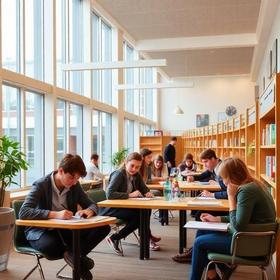
At a boarding school, students typically follow a structured daily schedule balancing academic classes, study hours, meals, extracurriculars and community responsibilities. Rules governing smartphones, laptops, social interaction and off‑campus privileges are set by each school’s handbook and reviewed during orientation, and parents should consult that document for the most authoritative guidance. Daily life often includes assigned study halls, teacher‑supervised dorm living and planned weekend activities designed to promote social learning and resilience. Most schools also have policies on bedtime, dress codes and technology usage to support focus and safety.
Academic Expectations and Support
Boarding schools are known for rigorous academic programmes, small class sizes and close interaction between students and faculty. Many schools provide robust support systems, including tutoring, college counseling and personalized academic plans. Research suggests that a high percentage of boarding students rate their academic environment as challenging compared with other sectors of K‑12 education, reflecting an intentional emphasis on preparation for post‑secondary study.
Enrollment and Demographics
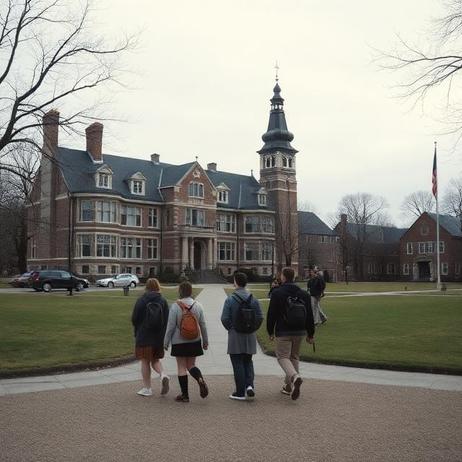
Boarding schools are a relatively small part of the broader U.S. private school landscape. Major boarding schools in the U.S. and Canada number in the low hundreds, with approximately 279 major college‑preparatory and junior boarding schools serving over 108,900 students as of 2025 data. Despite this, boarding schools remain geographically diverse and attract both domestic and international families. Many schools see a mix of day and boarding students, while coeducational environments are now more common than single‑sex schools.
Enrollment trends show a complex picture: some independent boarding schools have reported declining median enrollment over recent years, while demand for school choice and private education options more broadly has grown.
Cost and Financial Planning in 2026
Boarding school costs remain a central concern for families in 2026. National data show that full seven‑day boarding programmes typically range from about $69,000 to $80,000 or more per year, with five‑day boarding options often averaging slightly lower. Schools factor in lodging, meals, transportation, technology fees, health services and music or athletic participation when calculating the total cost of attendance, and families should budget for these additional expenses beyond base tuition.
Some elite schools are responding to cost concerns by expanding financial aid and income‑based tuition models. For example, certain institutions cap tuition at a percentage of family income or offer free tuition for families below defined income thresholds, a policy trend designed to broaden access.
Admissions Cycles and Planning
Admissions to boarding schools generally follow an annual cycle, with early decision and regular decision deadlines between late fall and winter for fall entry. Families often begin research and campus visits 12 to 18 months before the desired start date. Standardized test requirements (e.g., SSAT or ISEE), teacher recommendations, interviews and family statements are common components of applications. Because demand at many boarding schools exceeds available spots, early planning and strong preparation are essential.
Student Life Beyond the Classroom
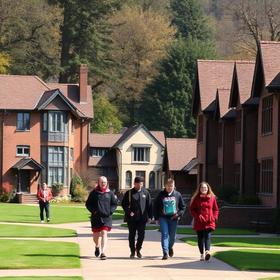
Boarding schools emphasize holistic student development. Outside of academics, students participate in athletics, arts, clubs and leadership programmes that build teamwork, time management and social skills. Residential life supervisors, faculty advisors, and peer mentors support students’ personal growth and help sustain a sense of community.
While these experiences enrich student development, they also require adjustment. Homesickness, independent living skills and peer dynamics are common challenges for newcomers, and families should discuss emotional and practical expectations with their children before enrollment.
Safety, Wellbeing and Policies
As residential environments, boarding schools maintain policies and personnel dedicated to student wellbeing, including on‑site health centers, counseling services and supervision protocols. Parents should inquire about specific health and emergency protocols, weekend or holiday travel policies, and support services before enrolling.
Trends and What Parents Should Watch Now
Several trends influence the boarding school landscape in 2026:
Cost Inflation: Boarding school costs continue to rise with inflationary pressures on staffing, facilities and programming. Families should project potential future increases of 4 percent to 6 percent annually when planning budgets.
Enrollment Shifts: Broader private school enrollment has seen modest growth in choice programmes, while some boarding schools face enrollment declines compared with pre‑pandemic levels.
Financial Aid Expansion: Expanded financial aid and sliding‑scale tuition models are increasingly common at wealthier institutions to attract a more diverse socioeconomic student body.
Applicant Preparation: Academic readiness, extracurricular portfolios and early engagement with admissions offices enhance competitiveness in selective boarding school processes.
Linking to Broader Education Data and Policy
Official U.S. data on private school enrollment and trends are produced by the U.S. Department of Education’s National Center for Education Statistics (NCES) and the Private School Universe Survey (PSS), which track the number of private schools and student enrollment across sectors. These data offer context for the portion of families choosing boarding and private education relative to the overall K‑12 population.
Conclusion: Value and Decision Considerations
Choosing a boarding school involves weighing academic quality, residential life, cost, family priorities, and long‑term outcomes. Parents should evaluate how a school’s culture and support structures align with their child’s needs, review financial planning tools early, and engage directly with admissions and current families to make informed decisions. Families who approach the process proactively can make the most of the educational and developmental opportunities that boarding school can offer.