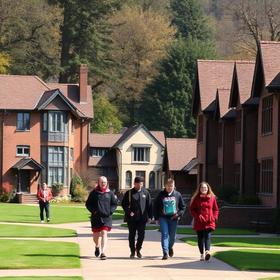

Boarding School Mental Wellness Post-Pandemic: Innovations & Best Practices
The conversation around student well-being has permanently shifted. In 2026, Boarding School Mental Wellness Post-Pandemic: Innovations & Best Practices is no longer a niche topic but a defining measure of institutional quality. Families evaluating boarding schools are asking deeper questions about mental health infrastructure, prevention models, crisis response, and long-term resilience. Educators are responding with new systems that go far beyond what existed before 2020.
This article examines how Boarding School Mental Wellness Post-Pandemic: Innovations & Best Practices have evolved, what leading schools are doing differently, and which approaches are proving most effective for today’s students.
Why Mental Wellness Looks Different After the Pandemic
The pandemic accelerated mental health challenges among adolescents, including anxiety, depression, social disconnection, and academic burnout. According to the Centers for Disease Control and Prevention, rates of persistent feelings of sadness and hopelessness among teens rose sharply during and after COVID-19.
For boarding schools, where students live and learn on campus, these challenges were especially visible. As a result, Boarding School Mental Wellness Post-Pandemic: Innovations & Best Practices now emphasize proactive care rather than reactive intervention.
Key shifts include:
- Treating mental wellness as a campus-wide responsibility
- Embedding prevention into daily routines and residential life
- Normalizing mental health conversations among students and faculty
Expanded Counseling Models on Boarding Campuses
One of the most visible Boarding School Mental Wellness Post-Pandemic: Innovations & Best Practices is the expansion of counseling services. Many boarding schools now employ multiple licensed mental health professionals with diverse specialties, including trauma-informed care, adolescent development, and multicultural counseling.
Common enhancements include:
- Lower student-to-counselor ratios
- Evening and weekend counseling availability
- Confidential self-referral systems
These changes mirror trends seen across postsecondary education, where community colleges have expanded mental health access in response to similar student needs. For perspective, families can explore how counseling services are structured at the two-year level in this overview of mental health services at community colleges.
Preventive Wellness Education as a Core Curriculum Element
Another hallmark of Boarding School Mental Wellness Post-Pandemic: Innovations & Best Practices is the integration of wellness education into the academic and residential curriculum. Rather than limiting mental health discussions to crisis moments, schools are teaching students how to manage stress before it escalates.
Programs frequently cover:
- Stress management and emotional regulation
- Sleep hygiene and healthy routines
- Digital balance and social media awareness
- Mindfulness and reflective practices
The American Psychological Association has emphasized that early education around coping skills significantly improves long-term outcomes for adolescents, reinforcing the value of these preventive approaches.
Faculty and Dorm Parent Training Has Intensified
In 2026, Boarding School Mental Wellness Post-Pandemic: Innovations & Best Practices recognize that students often confide in trusted adults outside the counseling office. As a result, schools are investing heavily in training faculty, coaches, and dorm parents to identify early warning signs.
Training typically includes:
- Mental health first aid certification
- Suicide prevention and intervention protocols
- Cultural competency and inclusive support strategies
This whole-campus approach aligns with broader education trends highlighted in resources like student support services at community colleges, where non-clinical staff play a critical role in student well-being.
Technology and Teletherapy as Supplemental Support
Technology has become an important component of Boarding School Mental Wellness Post-Pandemic: Innovations & Best Practices, though most schools view it as a supplement rather than a replacement for in-person care.
Innovations include:
- Secure teletherapy options for off-campus breaks
- Mental wellness apps vetted by clinical staff
- Digital check-in tools for residential life teams
The World Health Organization has noted that digital mental health tools can increase access and continuity of care when implemented thoughtfully, especially in structured environments like boarding schools.
Supporting Neurodiverse and High-Pressure Students
Post-pandemic boarding schools are also expanding support for neurodiverse students and those experiencing high academic pressure. Boarding School Mental Wellness Post-Pandemic: Innovations & Best Practices increasingly include individualized wellness plans that coordinate counseling, academic accommodations, and residential support.
Examples include:
- Executive function coaching
- Modified schedules during peak stress periods
- Collaboration between counselors and learning specialists
These approaches reflect a broader understanding that mental wellness and academic success are inseparable.
Family Communication and Transparency
Parents evaluating Boarding School Mental Wellness Post-Pandemic: Innovations & Best Practices consistently cite communication as a priority. Leading schools now provide clearer information about their wellness philosophy, crisis protocols, and counseling access.
Best practices include:
- Regular parent education webinars
- Clear consent and confidentiality policies
- Proactive outreach during transition periods
This transparency mirrors practices seen in higher education, where family engagement has become a key component of student success, as discussed in community college student retention strategies.
Measuring Success Beyond Crisis Response
Perhaps the most significant evolution in Boarding School Mental Wellness Post-Pandemic: Innovations & Best Practices is how schools define success. Rather than focusing solely on crisis statistics, institutions are tracking broader indicators of student well-being.
Metrics increasingly include:
- Student self-reported wellness surveys
- Attendance and engagement data
- Residential life climate assessments
The National Association of Independent Schools has encouraged member schools to adopt comprehensive wellness assessments as part of accreditation and strategic planning.
What Families Should Ask When Evaluating Schools
Understanding Boarding School Mental Wellness Post-Pandemic: Innovations & Best Practices helps families ask more informed questions during the admissions process.
Key questions include:
- How many licensed mental health professionals are on campus?
- What preventive wellness programs are required for students?
- How are faculty trained to support mental health?
- How does the school handle transitions, such as entry and re-entry after breaks?
Looking Ahead: Mental Wellness as a Defining Standard
As boarding schools continue to evolve, Boarding School Mental Wellness Post-Pandemic: Innovations & Best Practices are becoming a defining standard rather than a differentiator. Schools that invest in prevention, transparency, and whole-community engagement are better positioned to support students academically, socially, and emotionally.
For families, understanding how Boarding School Mental Wellness Post-Pandemic: Innovations & Best Practices are implemented offers critical insight into whether a school is prepared to meet the realities of adolescent life in 2026 and beyond.
Ultimately, the most effective programs recognize that mental wellness is not an add-on. It is foundational to the boarding school experience and central to preparing students for lifelong resilience.