Boarding School Safety in 2025: Updated Protocols for Health, Cyber & Residential Life
Boarding school safety remains one of the most important considerations for families evaluating residential education. In 2025, boarding school safety reflects a more comprehensive and sophisticated approach than ever before, integrating physical health safeguards, digital protections, and residential life standards into a unified framework. Parents, students, and educators now expect boarding school safety to address not only emergencies and supervision but also mental health, cybersecurity, and student wellbeing across campus life.
Modern boarding school safety protocols are shaped by lessons learned over the past decade, advances in technology, and evolving expectations around transparency and accountability. Schools are responding with clearer policies, enhanced training, and measurable standards that align with best practices nationwide.
Health and Wellness Protocols in Boarding School Safety
Health considerations continue to play a central role in boarding school safety in 2025. While pandemic-era restrictions have largely eased, schools have retained many health-focused practices that proved effective in protecting student populations living together.
Preventive Care and Medical Infrastructure
Boarding school safety now includes robust on-campus medical services supported by off-campus partnerships. Most schools maintain:
- Licensed nurses available around the clock
- On-call physicians or telehealth access
- Formal relationships with local hospitals and urgent care centers
Preventive care has expanded beyond basic first aid. Routine screenings, vaccination compliance, and individualized care plans are standard components of boarding school safety programs. Many schools align their policies with guidance from the Centers for Disease Control and Prevention, particularly for communal living environments, as outlined on the CDC’s school health resources page.
Mental Health as a Core Safety Priority
Mental health support is no longer viewed as ancillary to boarding school safety. In 2025, counseling services are integrated into daily school life, with trained professionals accessible to students experiencing stress, anxiety, or social challenges.
Key mental health practices now embedded in boarding school safety include:
- Regular wellness check-ins with advisors
- Crisis response teams trained in mental health emergencies
- Peer support and resilience-building programs
Schools increasingly recognize that emotional wellbeing directly impacts physical safety, academic success, and residential harmony.
Cybersecurity and Digital Citizenship in Boarding School Safety
As technology use expands, boarding school safety must address risks that extend beyond campus boundaries. Cybersecurity and digital behavior are now central pillars of boarding school safety planning.
Protecting Student Data and School Networks
Boarding schools manage extensive digital records, making cybersecurity a critical aspect of boarding school safety. In 2025, schools employ layered security strategies that include encrypted databases, multi-factor authentication, and regular security audits.
Faculty and staff receive ongoing training in data protection, while students are educated on safe online practices. Many schools reference federal guidance from the Federal Trade Commission on data security and student privacy: https://www.ftc.gov/business-guidance/privacy-security.
Digital Citizenship and Online Conduct
Boarding school safety also encompasses how students interact online. Schools have updated acceptable use policies to address social media behavior, cyberbullying, and digital harassment.
Common digital safety initiatives include:
- Mandatory digital citizenship courses
- Clear reporting procedures for online incidents
- Consistent disciplinary standards for cyber misconduct
By setting expectations early, boarding schools help students develop responsible habits that extend beyond campus life.
Residential Life Standards and Supervision
Residential life remains the heart of boarding school safety. In 2025, dormitory environments are designed to balance independence with oversight, creating communities that are both supportive and secure.
Dormitory Supervision Models
Modern boarding school safety emphasizes consistent adult presence within residential spaces. Dorm parents, housemasters, and residential advisors live on campus and receive specialized training in student supervision and crisis response.
Typical residential safety measures include:
- Controlled access to dormitories
- Nightly check-ins and attendance tracking
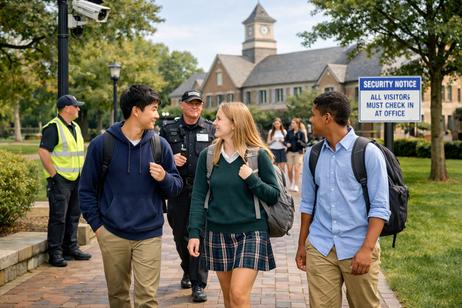
- Clear visitor policies and sign-in procedures
These practices help ensure that students are accounted for and supported at all times.
Physical Campus Security
Advancements in physical security technology have strengthened boarding school safety without creating an institutional atmosphere. Many campuses now use discreet surveillance systems, emergency communication tools, and access control technologies.
Schools often review campus safety planning in accordance with independent school guidelines published by organizations such as the National Association of Independent Schools.
Emergency Preparedness and Crisis Management
Emergency readiness remains a cornerstone of boarding school safety. Schools in 2025 maintain detailed response plans for a wide range of scenarios, from severe weather to medical emergencies.
Training and Drills
Regular drills reinforce boarding school safety procedures and help students respond calmly under pressure. Fire drills, lockdown exercises, and evacuation simulations are conducted multiple times each year.
Staff training typically includes:
- First aid and CPR certification
- Incident command system protocols
- Clear communication hierarchies
These measures ensure that safety plans are not just documented but practiced.
Communication with Families
Transparency is now an expected element of boarding school safety. Schools communicate clearly with families before, during, and after emergencies, often using dedicated parent portals or alert systems.
Health, Cyber, and Residential Safety Comparison Table
| Safety Area | 2015 Practices | 2025 Boarding School Safety Standards |
|---|---|---|
| Health Services | Basic infirmary | 24/7 care, telehealth, mental health teams |
| Cybersecurity | Limited policies | Encrypted systems, digital citizenship |
| Residential Life | Traditional supervision | Trained live-in staff, access control |
| Emergency Planning | Basic drills | Scenario-based, multi-agency coordination |
This evolution illustrates how boarding school safety has become more proactive, integrated, and data-driven.
Evaluating Boarding School Safety as a Parent or Student
Families evaluating boarding school safety in 2025 should look beyond marketing language and ask specific questions. Effective boarding school safety programs are documented, measurable, and transparent.
Key questions to consider include:
- How does the school support student health and mental wellbeing?
- What cybersecurity protections are in place for students and families?
- How are dormitories supervised after hours?
- How often are safety policies reviewed and updated?
Schools that answer these questions clearly demonstrate a genuine commitment to boarding school safety.
The Future of Boarding School Safety
Boarding school safety continues to evolve as schools respond to emerging risks and changing student needs. In 2025, the most effective boarding school safety programs share a common philosophy: safety is not a single policy but a culture.
By integrating health services, cyber protections, and residential life standards, boarding schools create environments where students can thrive academically and personally. For families considering residential education, understanding modern boarding school safety provides reassurance that schools are prepared to support students in a complex and connected world.
As expectations rise, boarding school safety will remain a defining factor in how schools earn trust, build community, and deliver on their educational mission.