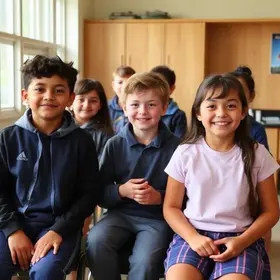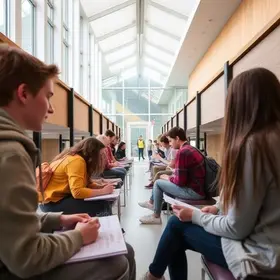

When families evaluate boarding schools, conversations often center on academics, athletics, college placement, and campus facilities. While these factors deserve careful attention, one element frequently has an even greater impact on a student's long-term happiness and success: finding a community where they truly belong.
A boarding school is more than a place where students attend classes. It is where they will live, eat, study, compete, celebrate milestones, and build relationships every day. A student who feels connected to classmates and faculty is often more confident academically, more willing to participate in extracurricular activities, and better equipped to navigate the challenges that naturally come with adolescence.
Every boarding school develops its own personality over time. Some campuses are energetic and tradition-filled, while others emphasize quiet collaboration, creativity, or outdoor adventure. Understanding these differences before enrollment can help families choose a school where their child will not simply fit in, but genuinely flourish.
As explained in Why Boarding School?, one of the defining advantages of residential education is that learning extends far beyond the classroom. Students build meaningful relationships with classmates and faculty through shared experiences that continue throughout the day.
Student Culture Is More Than School Spirit
When admissions offices talk about school culture, they are describing the values, traditions, and daily interactions that shape student life. While every school promotes community, the way that community feels can vary considerably.
Some boarding schools cultivate an academically intense environment where students challenge one another intellectually. Others place equal emphasis on collaboration, leadership, service learning, or artistic expression. Some campuses are bustling with activity every evening, while others intentionally create quieter spaces where students can relax and recharge.
There is no universally "best" student culture. The goal is to find an environment that complements your child's personality, interests, and comfort level.
Families often spend hours comparing curriculum guides but much less time considering whether their child will enjoy living in the community for four years. Social fit deserves the same thoughtful evaluation as academic fit. Students who feel comfortable asking questions in class, joining clubs, and developing friendships are often better positioned to make the most of everything a boarding school offers.
Why Friendships Matter So Much
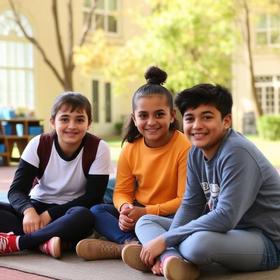
The residential experience naturally changes the way friendships develop.
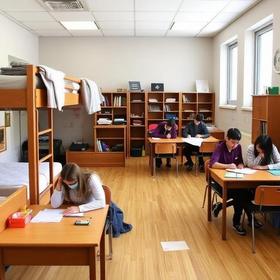
Unlike traditional schools where students head home at the end of the day, boarding students continue interacting long after classes end. They eat meals together, participate in sports, rehearse performances, attend evening study hall, and live in residence halls with classmates from different grades and backgrounds.
These shared routines create countless opportunities for relationships to develop naturally. Faculty members also become an important part of students' social support systems. Teachers frequently serve as advisors, coaches, dorm parents, and club sponsors, allowing students to build trusted relationships with adults who know them well in multiple settings.
Many boarding school graduates describe these close relationships as one of the most valuable aspects of their education. They often leave with lifelong friendships that extend well beyond graduation.
Families interested in understanding the day-to-day residential experience can also read What It's Like at Boarding School: A 2026 Guide for Parents & Students, which explores how students balance academics, residential life, and extracurricular involvement.
Understanding Cliques Without Assuming the Worst
One concern many parents have before sending a child to boarding school is whether exclusive social groups dominate campus life.
The reality is usually much more balanced.
Like any community, students naturally develop friend groups based on shared interests, residence halls, athletic teams, artistic pursuits, or extracurricular activities. These friendships are a normal and healthy part of adolescence.
Healthy friend groups become problematic only when they intentionally exclude others or create divisions within the broader school community.
Most boarding schools actively work to prevent this through thoughtful residential programming. Students often live alongside classmates from different grade levels, participate in mixed advisory groups, and rotate through activities that encourage interaction across the campus community. Weekend programming, service projects, leadership opportunities, and school traditions also help students build friendships beyond their immediate circle.
The result is that social networks tend to overlap considerably more than many families expect.
Looking Beyond the Admissions Tour
Admissions tours naturally showcase impressive facilities, classrooms, and athletic complexes. While those features matter, families should spend just as much time observing student interactions.
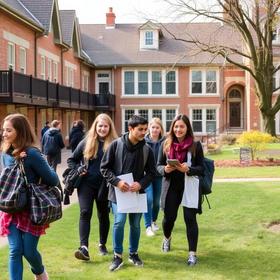
- Notice how students greet one another while walking across campus.
- Watch how teachers interact with students between classes.
- Pay attention to conversations in dining halls, libraries, and common areas.
Do students appear relaxed and comfortable? Are younger students interacting confidently with older students? Do faculty members seem approachable outside the classroom?
These everyday moments often provide a far more accurate picture of campus culture than any presentation or promotional brochure.
Another helpful resource is Boarding School Myths, which addresses several common misconceptions families have about boarding school life before visiting campuses.
Questions Every Family Should Ask During School Visits
While campus tours and admissions presentations provide valuable information, they offer only a snapshot of daily life. Families should take the opportunity to ask questions that reveal how students actually experience the community after the excitement of orientation has passed.
For example, ask how new students are welcomed into residence halls and whether older students serve as mentors. Find out how roommates are assigned, how often advisors meet individually with students, and what happens if a student is struggling to make friends during the first few months. These conversations often reveal far more about a school's culture than statistics about enrollment or college admissions.
If possible, ask to speak with current students rather than only student tour guides. Ask them what surprised them most about boarding school, how they met their closest friends, what weekends are like, and whether they feel comfortable approaching teachers and dorm parents for advice. Honest conversations with students can provide invaluable insight into everyday campus life.
The Role of Clubs, Activities, and Traditions
One of the easiest ways for new students to find their place is by becoming involved in campus life.
Boarding schools typically offer a wide variety of extracurricular activities, including athletics, performing arts, robotics, debate, student government, outdoor programs, community service, cultural organizations, and academic clubs. Participation in these activities naturally brings together students with shared interests and helps friendships develop outside the classroom.
School traditions also play an important role in strengthening community. Annual events, spirit weeks, performances, service days, and dorm competitions give students opportunities to work together and create lasting memories. These shared experiences often become some of the highlights of a student's boarding school journey.
Families comparing multiple schools may also find Questions to Ask When Visiting a Boarding School (2026 Guide) helpful. The guide outlines practical questions that reveal student culture, residential life, faculty accessibility, and whether a school's community is the right fit for a prospective student.
Diversity Creates Stronger Communities
Today's boarding schools are intentionally diverse communities that bring together students from across the country and around the world. Living alongside classmates with different cultures, traditions, perspectives, and life experiences helps students develop empathy, communication skills, and a broader understanding of the world.
Organizations such as the National Association of Independent Schools (NAIS) encourage member schools to foster inclusive communities where every student feels respected and valued. Similarly, the Enrollment Management Association (EMA) emphasizes the importance of finding a school that aligns with both a student's academic goals and personal needs.
When visiting campuses, families should look beyond demographic statistics and ask how diversity is reflected in everyday student life. Do students participate together across activities and residence halls? Are different perspectives welcomed in classroom discussions? Does the school celebrate a variety of cultures and traditions throughout the year? These observations can provide a clearer picture of how inclusive the community truly feels.
Helping Students Navigate Homesickness
Even outgoing, socially confident students can experience homesickness during the transition to boarding school. Missing family and familiar routines is a natural part of adjusting to a new environment, and it does not necessarily indicate that a student has made the wrong choice.
Most boarding schools recognize this and provide multiple layers of support. Advisors, dorm parents, counselors, peer mentors, and faculty members regularly check in with new students, helping them build routines and encouraging them to become involved in campus activities.
Parents should ask how schools monitor student adjustment during the first semester and what resources are available if a student begins feeling isolated. The American Academy of Pediatrics (AAP) also offers guidance on adolescent development and healthy social relationships, reinforcing the importance of strong support systems during periods of transition.
Finding the Right Community
Academic programs, campus facilities, and college placement statistics are all important considerations, but they tell only part of the story. A boarding school should also be a place where students feel comfortable being themselves, forming meaningful friendships, and participating fully in campus life.
No school is completely free of social challenges, and every student experiences occasional disagreements or moments of uncertainty. What distinguishes a healthy boarding school community is how those challenges are addressed. Schools that prioritize inclusion, mentorship, and student well-being create environments where friendships can flourish and students develop confidence alongside independence.
Families who take the time to evaluate student culture, observe campus interactions, and ask thoughtful questions are more likely to find a school that truly fits their child. Choosing the right community means looking beyond rankings and reputation to understand what everyday life actually feels like for students.
Ultimately, friendships often become one of the most rewarding aspects of the boarding school experience. When students feel connected to their peers and supported by caring adults, they are more likely to embrace new opportunities, overcome challenges, and grow into confident young adults. That makes Friendships, Cliques, and Social Fit: How to Gauge Student Culture Before Enrollment an essential consideration for every family exploring boarding school options.