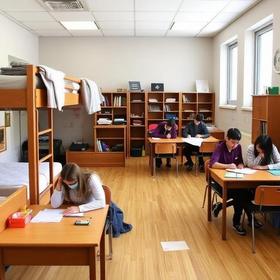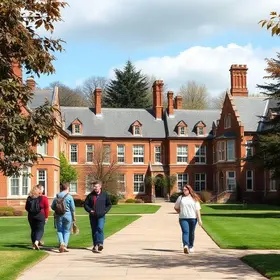

Boarding schools have evolved significantly in recent years, reflecting broader changes in education, student needs, and family expectations. In 2025, families exploring boarding options encounter a more diverse landscape than ever before. This updated guide retains the clear structure familiar to families and educators, while integrating current tuition data, demographics, policies, and expert perspectives to support informed decision-making.
A boarding school is broadly defined as an educational institution where students live on campus during the academic year while engaging in formal instruction and structured life experiences. The residential setting fosters independence, community, and continuity in learning beyond the standard school day. Wikipedia
1. Traditional College-Preparatory Boarding Schools
Traditional college-prep boarding schools remain among the most well-known boarding options in the United States and internationally. These institutions emphasize rigorous academics paired with comprehensive extracurricular programs.
Key features:
- Academically challenging curricula with Advanced Placement (AP), International Baccalaureate (IB), or honors tracks.
- High university matriculation rates to selective colleges and universities.
- Structured residential life promoting leadership, accountability, and self-direction.
Tuition for full (seven-day) boarding at these schools in 2025 typically ranges from $60,000 to $80,000 per year, with five-day boarding options averaging about $55,000. Tuition figures vary by region and prestige, and financial aid often plays a critical role in affordability. Boarding School Review+1
Expert perspective: Dr. Isabel Martinez, an education consultant with two decades of admissions experience, notes, “College-prep boarding schools are increasingly tailoring curriculum pathways to student interests, from data science to global health, while maintaining strong core academics.”
2. Specialized Interest and Thematic Boarding Schools
In 2025, many boarding schools focus on specific academic or extracurricular strengths. These specialized institutions attract students with clear passions and career interests.
Common categories include:
- STEM and Innovation Schools: Emphasize robotics, engineering, computer science, and research.
- Arts-Focused Schools: Provide conservatory-style programs in music, theatre, visual arts, and dance.
- Sports Academies: Combine competitive athletics with academic programs, often linked to collegiate athletic pipelines.
- Environmental and Outdoor Education Schools: Center curricula on sustainability, ecology, and experiential learning.
Real-world examples include schools with integrated makerspaces, partnerships with universities for research internships, and competitive arts showcases that draw scouts from major conservatories.
Parents should assess faculty expertise, facility quality, and post-graduation pathways when evaluating specialized schools.
3. Military and Leadership Boarding Schools
Military boarding schools emphasize discipline, structure, and leadership development. These schools often reflect a blend of traditional academic objectives with character-building values grounded in a military-style environment.
Features include:
- Daily routines and uniform codes.
- Leadership progression systems (cadet ranks and responsibilities).
- Outdoor training and community service integrated into the schedule.
Military boarding programs appeal to families seeking a framework that combines academic rigor with character formation and personal responsibility.
4. Therapeutic and Alternative Boarding Schools
Therapeutic boarding schools serve students with specific emotional, behavioral, or learning needs. These schools integrate clinical support with education, often offering individualized learning plans, counseling, and small-group environments.
Important considerations:
- Staff credentials in psychology, counseling, or special education.
- Ratios of support staff to students.
- Transition and reintegration plans for life after boarding.
While more costly due to intensive support services, therapeutic boarding schools can be transformative for students who need a tailored, supportive environment.
5. Hybrid and Flexible Boarding Models
As family needs evolve, hybrid boarding models have gained traction. These formats blend elements of residential life with flexibility tailored to student and family priorities.
Examples include:
- Flexible Boarding: Students may board a few nights per week, offering a balance of independence and family time.
- Weekend-Only Boarding: Schools that provide housing Friday through Sunday for commuters.
- Seasonal or Module Boarding: Students stay on campus for scheduled blocks (e.g., term-long residencies).
Hybrid models can be especially attractive for younger students or families seeking a transition into full boarding.
6. International and Global Boarding Schools
Boarding schools with international curricula (such as IB) and globally diverse communities continue to expand. Families increasingly consider international options in Europe, Asia, and beyond, drawn by curriculum choice, cultural immersion, and sometimes more competitive pricing structures relative to top U.S. boarding schools. The Guardian
International boarding school trends in 2025:
- Rising interest from global families seeking alternative tuition models.
- Partnerships between U.S. and overseas institutions enhancing global mobility.
- Growth of international student populations at boarding schools in the U.S., U.K., and Europe.
7. Faith-Based and Values-Centered Boarding Schools
Many boarding schools align with a specific religious or values framework, integrating spiritual education with standard academic programming.
Typical characteristics:
- Daily worship or spiritual reflection as part of the schedule.
- Community service and ethical leadership development.
- Strong alumni networks rooted in shared values.
These schools often appeal to families seeking an education grounded in a particular faith tradition or moral philosophy.
8. Tuition-Free and Income-Based Boarding Schools
A notable development for 2025 is the growth of tuition-free or income-based boarding schools. Influential institutions now cap tuition for middle-income families or eliminate tuition entirely for families below specific income thresholds, aiming to broaden access. Boarding School Review
Example: Several leading boarding schools now waive tuition for families earning under certain thresholds, expanding socioeconomic diversity on campus.
These models reflect a shift toward access and equity in elite residential education.
How Parents Should Approach Choosing a Boarding School
Choosing the right boarding school involves much more than assessing costs. Experts recommend families evaluate:
- Mission alignment: Does the school’s ethos resonate with your child’s learning style and values?
- Academic and support resources: Are there robust academic advising, college counseling, and health services?
- Community fit: How do students describe the culture and day-to-day life?
- Post-graduation outcomes: What pathways do alumni pursue, and how well prepared are they for next steps?
Authoritative research from the U.S. Department of Education emphasizes the importance of student engagement and school environment in forecasting academic success. (For broader educational data see schools.ed.gov).
Conclusion
The landscape of boarding schools in 2025 is rich and multifaceted, encompassing traditional college prep, specialized interest programs, hybrid schedules, and access-oriented models. Tuition remains a major factor, with full boarding commonly ranging from approximately $60,000 to $80,000 annually in the United States, but families should weigh both quantitative and qualitative elements in their choices. Boarding School Review
Whether your priority is academic excellence, artistic growth, character development, or global exposure, understanding the distinct types of boarding schools helps families identify environments where students can thrive academically and personally.