Why Consider Boarding School
Boarding school has long attracted families seeking academic rigor, structured residential life, and strong college preparation. In 2025, boarding schools continue to be known for small classes, close faculty mentorship, and immersive learning environments. They also reflect broader changes in education, such as expanded mental health support, technology integration, and global programming.
This updated guide explains why families consider boarding school today, what has changed in recent years, and how to determine whether the environment fits your child.
What Boarding Schools Offer
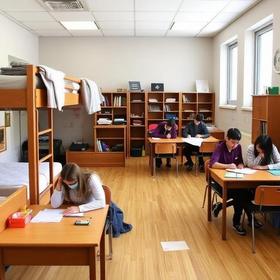
Boarding schools combine academics and residential life. Students live in dormitories, follow structured routines, participate in supervised study hours, and build close relationships with peers and faculty. The model provides consistency and access to resources throughout the day.
As of 2025, most U.S. boarding schools enroll between 250 and 600 students, with student faculty ratios often between 5:1 and 7:1. These ratios allow teachers to offer personalized feedback, project-based learning, and additional academic support when needed.
Boarding school communities are increasingly diverse. Many schools report international enrollment in the range of 12 to 18 percent. This mix of backgrounds helps broaden perspectives and prepares students for increasingly global careers.
Academic Depth and Learning Environment
Academic immersion continues to be one of the strongest reasons families choose boarding school. Students can attend office hours, evening review sessions, and weekend enrichment programs. Many campuses provide extended access to labs, performance studios, and athletic facilities.
Curricula have also expanded in recent years. Some schools now offer artificial intelligence electives, modern language intensives, interdisciplinary research sequences, and sustainability-focused programs. These changes reflect ongoing shifts in the education sector and the demands of a competitive college landscape.
While boarding schools remain college preparatory institutions, they increasingly emphasize skills such as collaboration, digital literacy, and independent problem-solving. These competencies help graduates succeed in college and future careers.
Personal Growth and Residential Life
Residential life is central to the boarding experience. Students learn to manage their schedules, maintain living spaces, communicate across cultural differences, and balance academics with extracurricular activities. These life skills build independence and maturity.
Dormitories are led by faculty members who live on campus. Their presence supports community building and ensures consistent supervision. Many schools also employ residential life teams focused on student wellbeing.
Mental health resources have expanded significantly. Schools now commonly offer licensed counselors, wellness programming, mindfulness courses, and advisory systems to help students navigate academic and social challenges.
Global Exposure and Community Diversity
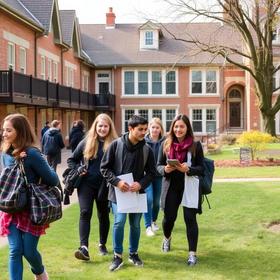
Boarding schools attract students from around the world. This global enrollment creates campus communities where students learn to live alongside peers with different languages, traditions, and worldviews.
Some schools offer international exchange opportunities or collaborate with global partner institutions. These programs provide early exposure to international study and broaden students’ perspectives.
For families who frequently relocate or who live abroad, boarding offers stability. Students can remain in the same academic environment even when family circumstances change.
Cost and Financial Aid in 2025
Cost remains one of the most significant factors families weigh. For the 2025 academic year, full boarding tuition at many independent schools ranges from 60,000 to 80,000 dollars, with some highly resourced schools slightly above this range. In addition to tuition, families should anticipate expenses for travel, technology, books, and personal items.
Financial aid availability has grown. Many schools report that 30 to 45 percent of students receive some form of need-based assistance. A small number have adopted income-based tuition caps to broaden access.
Families considering boarding school should review each school’s financial aid policy carefully and ask about additional fees that may not be included in published tuition.
For recent national data on independent-school tuition trends, see the National Center for Education Statistics. Link: [https://nces.ed.gov]
Trends Shaping Boarding Schools in 2025
-
Curriculum Innovation
Schools continue to refine their curricula to reflect technological and environmental changes. Programs in data science, climate research, global studies, and ethics have become more common. Many institutions now require interdisciplinary senior projects that integrate academic research with real-world challenges. -
Expanded Wellness Support
Schools have strengthened mental health resources by adding more licensed counselors, creating peer-support networks, and increasing faculty training. Wellness centers often serve as hubs for stress management strategies, advisory meetings, and health education. -
Enrollment Shifts
While international enrollment has remained strong, domestic enrollment has fluctuated. Some rural and smaller schools face pressure to maintain stable class sizes. Schools continue to adapt by expanding marketing, adding unique academic offerings, and focusing on mission-aligned recruitment. -
Residential Life Modernization
Many campuses have renovated dormitories, expanded dining options, and introduced flexible weeknight schedules to support student balance. These updates help make residential life more comfortable and developmentally supportive.
Real-World Example
Consider a mid-sized New England boarding school enrolling around 450 students. With a faculty ratio of about 6:1, students receive regular individualized feedback and support. The school’s 2025 curriculum includes courses in environmental systems, artificial intelligence, and global citizenship. Residential life staff coordinate advisory groups, cultural celebrations, and wellness workshops that help students adjust to the demands of campus life.
In this environment, a student interested in climate science might join a sustainability research team, participate in weekend fieldwork, and present research findings during a school-wide symposium. These opportunities foster confidence, independence, and deep engagement in learning.
Deciding Whether Boarding School Is the Right Fit
Families should consider several key questions:
- Does your child thrive in structured, community-based environments?
- Are they ready for the independence and responsibility of living away from home?
- Does the school provide strong academic support and extracurricular options that align with their interests?
- Are the school’s financial aid policies transparent and comprehensive?
- Does the campus emphasize wellness, inclusion, and healthy communication?
Boarding school can be transformative for students who seek challenge, independence, and a close-knit residential community. Each school has its own culture, schedule, and expectations, so campus visits and conversations with faculty are essential.
Conclusion
Boarding schools in 2025 continue to provide rich academic experiences, global exposure, and opportunities for personal growth. Their small classes, structured environments, and robust extracurricular programs appeal to families seeking a comprehensive educational experience.
However, cost, readiness, and school culture remain important considerations. Families should assess each school carefully to ensure that its mission, programs, and residential life approach align with their child’s needs.
For additional guidance, families can review national data resources or explore admissions pages that outline financial aid and program offerings.