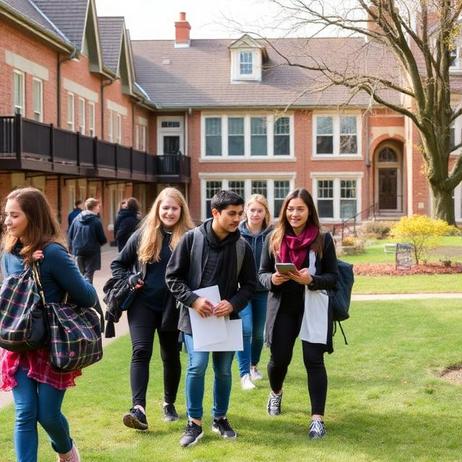
Boarding school continues to be a transformative educational experience for many students. This 2026 update of What It Is Like at Boarding School offers parents, students, and educators fresh insights into academic life, residential culture, costs, outcomes, and emerging trends. We maintain the original structure while integrating the latest data, expert perspectives, and real-world examples to help families make informed decisions about residential education.
What Is Boarding School?
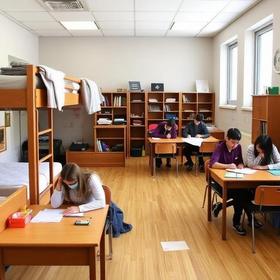
Boarding school is a residential educational model where students live on campus during the academic year. Beyond classroom instruction, students engage in structured evenings, weekends, extracurriculars, and community life. Boarding schools exist around the world and vary widely in size, mission, curriculum focus, and culture.
In 2025, U.S. boarding schools remained a niche within private education, with around 279 major college-prep and junior boarding schools in the U.S. and Canada serving more than 108,900 students, many drawn by academic reputation, global diversity, and residential programs.
Academic Life and Intellectual Culture
Rigorous Coursework
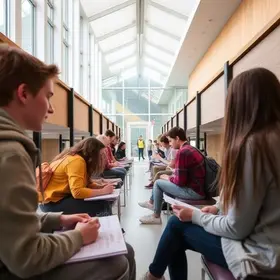
Boarding schools are known for academically rich environments. Students have access to advanced coursework, including Advanced Placement (AP), International Baccalaureate (IB), and interdisciplinary capstone projects. Schools supplement classroom work with evening study halls, tutoring, labs, and faculty mentoring.
Personalized Learning
Small class sizes and low student-teacher ratios enable tailored instruction and academic support. Many boarding schools now integrate technology, project-based learning, and AI-supported tools to help students track progress and deepen understanding across subjects.
Expert Insight
“Boarding schools offer more than academics,” says Dr. Elaine Carter, education researcher at Georgetown University. “They cultivate the maturity and adaptability that today’s fast-changing world demands.”
Residential Life: Community and Growth
Daily Structure
Life at boarding school moves beyond school hours. Students participate in evening study sessions, weekend events, athletics, arts, service clubs, and residential activities that build time-management skills and independence.
Peer Community and Networks
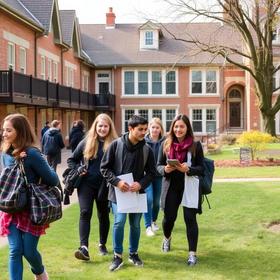
Living with peers fosters close communities and lifelong friendships. Alumni networks often provide mentorship, internships, and college support well after graduation.
Wellness and Support Systems
Schools increasingly focus on student wellness, employing licensed counselors, peer support groups, and structured check-ins. Residential advisors receive training in mental health first aid, conflict mediation, and crisis response.
Emerging Practice
Some schools have introduced policies to manage screen time and enhance social engagement, such as restricted smartphone hours or designated digital-free periods, echoing wider educational conversations about technology and adolescent wellbeing.
Social and Emotional Experience
Boarding school offers opportunities for personal growth, yet it also presents emotional challenges.
Independence and Identity
Living away from home teaches self-reliance, responsibility, and adaptive interpersonal skills. Students learn to navigate diverse social settings, often gaining confidence and resilience.
Homesickness and Adjustment
Separation from family and familiar environments can be difficult, especially for younger boarders. Homesickness, stress, and adaptation issues are real factors families should consider before enrollment. Many schools offer structured support and family integration programs to ease this transition.
Tuition, Financial Aid, and Access
Cost Landscape
As of 2025, full boarding tuition at many U.S. boarding schools ranged from approximately $60,000 to $80,000 per year, with five-day boarding options averaging around $55,000 and seven-day models near $69,000. These figures reflect sticker prices and may vary by region, school size, and program offerings.
Families should also budget for travel, personal expenses, health coverage, and technology fees.
Financial Aid and Affordability
Many boarding schools have expanded financial aid. Some elite institutions cap tuition as a percentage of family income or even offer free tuition for families below defined thresholds. More than one-third of students at certain schools now receive need-based support that can substantially reduce net cost.
Expert Insight
Dr. Laura Hernandez, Director of Financial Aid at a leading boarding school, notes, “Our goal is not to exclude middle-income families. We design aid so that the ‘sticker price’ becomes less relevant than the actual cost your family will pay.”
Equity, Diversity, and Enrollment Trends
Boarding schools are working to diversify their student bodies. International students now represent roughly 15% of boarding enrollment, contributing to cross-cultural exchange and global perspectives on campus.
Despite these efforts, many boarding schools face demographic challenges. Between 2019-20 and 2023-24, a majority reported declining enrollment, especially in traditional residential programs, while international applications grew in many institutions.
Outcomes: College and Beyond
Boarding school graduates often matriculate to selective colleges and pursue advanced degrees. While causality is complex—reflecting both student selection and institutional support—many schools now publish placement data to help families evaluate outcomes.
Boarding alumni frequently cite networks, leadership experience, and adaptability as long-term advantages in higher education and career contexts.
Challenges and Criticisms
Boarding school is not without critiques.
Cost and Accessibility
High tuition and associated expenses remain barriers for many families, even with aid. Affordability and socioeconomic diversity continue to be central debates in the sector.
Mental Health and Wellbeing
Students may face stress related to academic intensity, social pressures, and residential adjustments. Schools are expanding wellness resources, but expert analysis suggests continuous attention to mental health remains essential.
Cultural Fit and Family Considerations
Boarding is not the right environment for every student. Families must thoughtfully assess emotional readiness, personality fit, and the balance between independence and connection.
Practical Questions for Families
Is boarding school right for my child?
Consider academic goals, social needs, and emotional maturity. Visit campuses, engage current families, and discuss support structures with school leaders.
What should I ask during tours and interviews?
Inquire about wellness resources, residential staff qualifications, student voice mechanisms, and college counseling programs.
How do boarding schools support diversity?
Ask about financial aid models, cultural and international student communities, and inclusion initiatives within residential life.
Conclusion
Boarding school in 2026 continues to offer intense academic immersion, structured residential life, and community-based growth. At the same time, cost pressures, wellness concerns, and evolving family expectations create both challenges and opportunities in the sector. Prospective families who approach the decision with clear priorities, informed questions, and a thorough understanding of each school’s culture and support systems will be best positioned to find a fitting environment for their student’s success.