For many families, academics are the primary reason to consider a boarding school. Strong college preparation, small class sizes, and rigorous coursework often dominate the conversation. Yet one of the most significant benefits of a boarding school education extends far beyond the classroom.
Boarding schools teach life skills every day.
Living away from home requires students to manage responsibilities, navigate relationships, make decisions independently, and contribute to a residential community. These experiences help students develop qualities that colleges and employers increasingly value: self-reliance, leadership, accountability, resilience, and emotional maturity.
In 2026, these skills are arguably more important than ever. As universities and employers place greater emphasis on adaptability, collaboration, and problem-solving, boarding schools continue to provide a unique environment where students practice these competencies daily rather than learning them only in theory.
Why Life Skills Matter More Than Ever
The modern educational landscape has evolved significantly. Academic achievement remains important, but success increasingly depends on skills that cannot be measured solely by grades or standardized test scores.
Students entering college today face new challenges, including greater independence, increased digital distractions, and growing expectations around collaboration and leadership. According to the National Association of Independent Schools, schools are placing increased emphasis on developing the whole student, including character, interpersonal skills, and social-emotional growth.
Boarding schools are particularly well-positioned to support this development because learning continues after classes end. Residential life creates an immersive environment where students consistently practice real-world responsibilities.
As discussed in Boarding School Review's article on Life at Boarding School: What Families Should Expect, residential education combines academics, community living, and personal development into a single experience.
How Boarding Schools Build Independence
Independence is often the first life skill parents notice when students return home from their first semester at boarding school.
Unlike day school students who typically return to a familiar household structure each evening, boarding students must learn to manage many aspects of daily life on their own.
Daily Responsibilities Create Real Accountability
Boarding students quickly become responsible for:
- Managing schedules
- Arriving at classes and activities on time
- Organizing study hours
- Maintaining living spaces
- Handling laundry
- Communicating with teachers and advisors
- Balancing academic and social commitments
These responsibilities may seem simple, but they require consistent self-management.
Rather than relying on parents to oversee every detail, students learn to develop routines and systems that keep them organized. Over time, this builds confidence and competence.
Learning Through Small Mistakes
One advantage of the boarding school environment is that students can make manageable mistakes while still benefiting from a supportive structure.
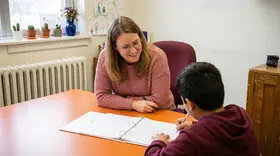
Missing a deadline, forgetting an assignment, or oversleeping typically leads to natural consequences rather than major setbacks. Faculty advisors, dorm parents, and mentors help students learn from these experiences while encouraging greater responsibility moving forward.
This balance between independence and supervision often creates a smoother transition to college life.
For families exploring residential education, articles such as Balancing Boarding Life highlight how students gradually develop self-management skills through everyday experiences.
Leadership Development Happens Beyond Student Government
When parents think about leadership, they often picture student council positions or club presidencies. Boarding schools typically offer those opportunities, but leadership development extends much further.
In residential communities, leadership becomes part of everyday life.
Leadership Is Practiced Daily
Students regularly take on responsibilities such as:
- Mentoring younger students
- Leading dorm meetings
- Organizing community events
- Serving as orientation leaders
- Captaining athletic teams
- Facilitating peer support programs
- Coordinating service initiatives
Because students live together, leadership opportunities emerge naturally and frequently.
A student helping a new roommate adjust to campus life may be demonstrating leadership just as meaningfully as someone holding a formal title.
Boarding School Review's article on Boarding School Student Leadership in Residential Life explains how leadership becomes embedded in residential culture rather than isolated within extracurricular activities.
The Rise of Modern Leadership Models
Leadership programs have evolved significantly in recent years.
In 2026, many schools emphasize collaboration, empathy, communication, and community building rather than traditional hierarchical leadership structures.
Educational organizations such as the Association of Boarding Schools (TABS) increasingly focus on leadership development within residential life, recognizing that students learn leadership most effectively through practical experience and community engagement.
Today's boarding schools are often creating leadership opportunities that emphasize:
| Traditional Leadership Models | Modern Leadership Models |
|---|---|
| Authority-based roles | Collaborative leadership |
| Formal titles | Peer mentorship |
| Event management | Community building |
| Individual achievement | Team success |
| Decision-making power | Service and responsibility |
These approaches better reflect the leadership skills students will need in college and future careers.
Discipline Through Structure, Not Punishment
The word "discipline" sometimes carries negative connotations. In the boarding school environment, however, discipline is often better understood as consistency, self-regulation, and accountability.
The goal is not strict control. The goal is helping students develop habits that support long-term success.
Structured Routines Encourage Good Habits
Most boarding schools maintain structured schedules that include:
- Consistent wake-up times
- Regular class schedules
- Study hall periods
- Athletic participation
- Community expectations
- Evening check-ins
This framework provides stability while helping students develop productive habits.
Over time, many students internalize these routines and become more capable of managing their own responsibilities.
Community Accountability Reinforces Discipline
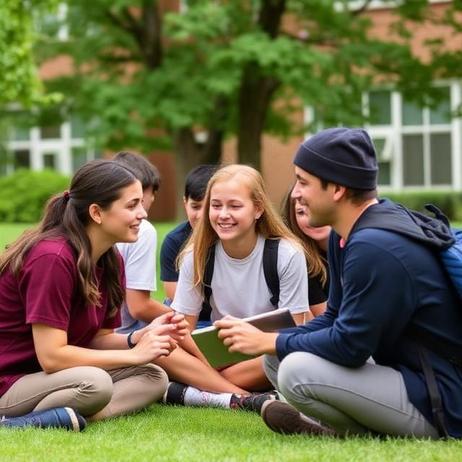
One of the most unique aspects of boarding schools is that students live within a shared community.
Actions have visible consequences.
A student who consistently misses commitments affects teammates, classmates, roommates, and dorm communities. This creates an environment where accountability becomes both personal and social.
As explored in Unwritten Rules of Boarding School Life, students quickly learn that reliability, respect, and follow-through are essential qualities in residential communities.
These lessons often become some of the most valuable aspects of the boarding school experience.
Life Skills Learned Outside the Classroom
Many boarding school graduates report that their most important lessons occurred outside academic settings.
The residential environment naturally develops skills that students will use throughout adulthood.
Communication Skills
Living alongside peers from different backgrounds requires students to learn how to:
- Resolve conflicts respectfully
- Advocate for themselves
- Collaborate with diverse groups
- Navigate disagreements
- Build meaningful relationships
Time Management
Balancing coursework, athletics, social activities, leadership responsibilities, and personal downtime requires strong organizational skills.
Students often learn how to prioritize competing responsibilities while maintaining academic performance.
Emotional Resilience
Boarding school students regularly encounter challenges that promote growth:
- Homesickness
- Academic pressure
- New social environments
- Increased responsibility
- Conflict resolution
While these experiences can be difficult initially, they often help students build resilience and confidence.
Research highlighted in a recent Frontiers in Education study underscores the importance of social skills, critical thinking, and well-being in student development, all areas commonly emphasized within residential education environments.
How Boarding Schools Are Adapting in 2026
The life skills taught at boarding schools remain consistent, but the methods continue to evolve.
Today's schools are increasingly integrating:
- Digital citizenship education
- Wellness and mental health support
- Leadership coaching
- Community engagement programs
- Diversity and inclusion initiatives
- Technology literacy and responsible AI use
Many schools are also strengthening residential curricula that intentionally teach leadership, communication, and decision-making skills.
As explored in Residential Curriculum and Leadership Development in Boarding Schools, structured residential programs are becoming a central component of student growth beyond academics.
At the same time, schools are expanding wellness initiatives to ensure students develop independence within supportive environments. This reflects broader educational trends emphasizing both achievement and well-being.
What Parents Should Consider
Not every student develops independence at the same pace.
When evaluating boarding schools, families should look beyond academic rankings and college placement statistics. The residential experience often plays an equally important role in shaping a student's long-term development.
Questions worth asking include:
- How does the school support new students during the transition?
- What leadership opportunities exist beyond student government?
- How are residential advisors trained?
- What systems encourage accountability and personal responsibility?
- How does the school balance independence with supervision?
- What wellness and mentorship resources are available?
The answers can provide valuable insight into how effectively a school helps students develop life skills.
The Long-Term Value of Boarding School Life Skills
The strongest boarding schools do more than prepare students for college admissions. They prepare students for adulthood.
Through daily routines, residential responsibilities, leadership opportunities, and community living, students learn how to manage themselves, support others, and navigate challenges with confidence.
These lessons rarely appear on transcripts, yet they often become some of the most enduring outcomes of a boarding school education.
For many graduates, the ability to live independently, lead responsibly, communicate effectively, and maintain discipline proves just as valuable as any academic credential. In a world that increasingly rewards adaptability and resilience, these life skills may be among the most important lessons boarding schools teach.
FAQ
Do boarding schools really make students more independent?
In many cases, yes. Boarding students manage daily responsibilities, schedules, and decision-making with greater autonomy than most day school students, while still benefiting from adult support and supervision.
How do boarding schools teach leadership?
Leadership is taught through residential life, peer mentorship, athletics, service programs, student organizations, and community responsibilities that require students to work collaboratively and lead by example.
Is discipline stricter at boarding schools?
Most boarding schools emphasize structure and accountability rather than strict punishment. Students are expected to meet community standards while learning self-discipline and responsibility.
Are life skills a major benefit of boarding school?
For many families and graduates, life skills development is one of the most valuable aspects of boarding school. Independence, leadership, communication, resilience, and time management often become lifelong advantages.