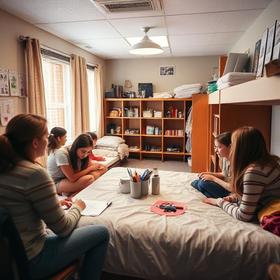

Sending a child to boarding school is a profound transition—for the student, the family, and the school community. A thoughtful, gradual approach can ease the shift and help your child thrive in this new environment. Below is a practical, research-informed roadmap to prepare your child (and yourself) for boarding school life in 2025.
-
Begin Early: A Gradual Mindset Shift
Starting preparation several months—rather than weeks—before enrollment helps reduce shock. SocialLife
Introduce the idea gently (discussions, photos, stories).
Visit the campus if possible. This helps your child visualize daily life ahead of time.
Walk through daily routines together: waking early, packing a bag, organizing schoolwork.
Involve your child in planning (e.g. choosing bedding, supplies) so they feel a sense of agency.
Why this matters: Early exposure reduces novelty, gives time for emotional adjustment, and helps your child internalize what the boarding environment entails.
-
Build Key Life Skills at Home
Boarding school demands self-sufficiency. The more familiar your child is with basic tasks, the smoother their transition.
a. Self-care & housekeeping
Teach them basic laundry, folding, organizing clothes, and managing toiletries.
Encourage them to keep their bedroom at home tidy as a habit.
Introduce light chores: sweeping, dishwashing, tidying common spaces.
b. Time management & academic habits
Use planners or digital tools for calendar, deadlines, and assignments.
Practice breaking larger tasks into smaller chunks (e.g. study for 30 minutes, break, resume).
If needed, arrange extra help or tutoring in subjects where they struggle.
c. Emotional awareness & resilience
Talk openly about homesickness, loneliness, conflict, and stress. Let them express fears and concerns.
Role-play challenging social situations (e.g. roommate disagreements, asking for help).
Encourage independent decision-making: allow them to make small choices (e.g. schedule, meals) and learn from mistakes.
-
Social & Emotional Readiness
Adapting to a residential community involves more than logistics—it requires connection and emotional flexibility.
Encourage your child to reach out, ask questions, and be curious.
Discuss strategies for forming friendships: attending orientation events, joining clubs, exploring campus life. hunschool.org
Validate their feelings, and reassure them that occasional ups and downs are normal.
Discuss a “go-to list” of trusted adults to approach (houseparents, counselors, teachers).
Plan small coping rituals: a journal, music, reading, packaged notes from home. Some schools recommend a few photos or a comfort item to personalize their dorm space.
-
First Days & Weeks: A Structured Launch
How your child lands in their new environment matters. The first few days set an emotional and academic tone.
a. Drop-off & send-off day
Follow the school’s procedures—these are usually well designed to ease transitions.
Help them unpack and set up their space quickly so it looks and feels like their own.
Keep the goodbye brief but meaningful. Overstaying intensifies separation anxiety.
b. Engage with the community
Encourage attendance at welcome activities and orientation socials. hunschool.org
Urge early involvement: join clubs, sports, service groups. This accelerates belonging.
Encourage exploration—not just of campus buildings but the town or local environment.
c. Monitor and adjust
Keep check-ins short and regular, but allow space for the student to decompress.
Watch for signs of fatigue, homesickness, or emotional distress (trouble sleeping, isolation, sudden mood shifts).
Collaborate with dorm staff or counselors early if challenges arise.
-
Parent Role: Balanced Support from Afar
Your role doesn’t end at the school gate. The right balance of oversight and independence matters.
Domain Support Strategy Pitfall to Avoid Communication Agree on a schedule (calls, messages). Use video or voice rather than frequent texting. Calling daily unannounced can feel intrusive. Care packages Send periodic treats, personal notes, or cultural snacks. Avoid overloading with heavy or impractical items. Visits & breaks Plan quality in-person time during school breaks. Establish traditions (family meal, outing). Don’t turn breaks into periods of micromanagement. Relationship with school Know their houseparent, tutor, or counselor; maintain open communication. Criticizing school staff in front of your child undermines relationships. Emotional vigilance Validate their feelings, offer encouragement, celebrate small successes. Don’t dismiss emotional struggles ("it will pass")—listen actively. -
Ongoing Adjustment & Growth (Through 2025 and Beyond)
The adjustment curve may last months. Encourage growth and flexibility throughout the year.
Encourage your child to try new things—even ones outside their comfort zone. hunschool.org
Support them in refining time management—balancing academics, rest, extracurriculars.
Keep revisiting check-ins: “What’s going well? What’s hard? What do you want to try changing?”
Reinforce that failure and struggle are part of growth, not signs of weakness.
If sustained emotional distress occurs, don’t hesitate to involve school counseling services.
Final Thoughts
Preparing your child for boarding school is a journey—not a checklist. With intentional, phased preparation, you help them step into not just a school, but a richer learning community where they develop resilience, independence, and lasting friendships.
The key principles:
- Start early
- Build everyday self-reliance
- Foster emotional openness
- Support the launch intentionally
- Stay connected—without overcontrolling
- Guide, rather than rescue, as they grow