
School Life

For boarding school students, the campus is home. Explore dormitory living, get expert advice on learning and living away from home and learn more about what can be done to help your child transition to and succeed in boarding school.

View the most popular articles in School Life:

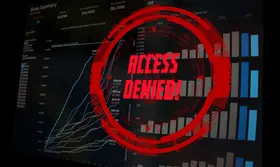
How Boarding Schools Use Data Analytics to Support Student Success

Updated
|
How Boarding Schools Use Data Analytics to Support Student Success
Explore how boarding schools leverage data analytics to improve student success through early interventions, personalized learning, and strategic decisions.

How Boarding Schools Are Using Data Analytics to Support Student Success

In 2026, data analytics in education has moved far beyond administrative reporting and now plays a central role in supporting student success at boarding schools around the world. From early warning systems that identify struggling learners to dashboards that help educators tailor instruction, boarding schools are embracing data-driven strategies to improve academic outcomes, enhance student engagement, and support whole-student development.

This long-form article explores how boarding schools use data analytics to support student success, what tools and strategies they employ, and how these innovations align with broader educational trends.

What Is Data Analytics in Boarding School Education?

At its core, data analytics in boarding schools involves collecting, processing, and analyzing information to help educators make informed, evidence-based decisions. Unlike traditional grade books or attendance logs, modern analytics platforms integrate multiple data sources — including academic performance, attendance, behavior records, engagement metrics, and even social-emotional indicators — to uncover trends and insights that might otherwise go unnoticed.

These analytics fall into several categories:

  • Descriptive Analytics: What has happened? (e.g., attendance patterns, test performance)
  • Diagnostic Analytics: Why did it happen? (e.g., correlating behavior with academic dips)
  • Predictive Analytics: What is likely to happen? (early identification of at-risk students)
  • Prescriptive Analytics: What should educators do? (recommend targeted interventions)

Across education sectors, this approach has been shown to shift schools from reactive to proactive support models, helping educators act before small challenges become significant barriers to success.


Why Boarding Schools Are Adopting Data
. . .read more

Balancing Boarding Life

Updated
|
Balancing Boarding Life
A clear, practical guide to balancing boarding life and independence, offering transition tips for students and families in 2025.

Balancing Boarding Life and Independence: Transition Tips for Students

Balancing boarding life and independence is one of the most meaningful developmental steps a young person can take. The transition introduces students to a structured residential community that encourages responsibility, self-management, and personal growth. At the same time, it requires learning new routines, navigating social and academic expectations, and developing confidence away from home.

This guide examines how students can approach balancing boarding life and independence with clarity and resilience. It incorporates updates relevant to 2025, insights from educators, and strategies that help families prepare for the move.

Throughout this article, the phrase boarding life and independence is used regularly to reflect a central theme for students entering residential school environments.

Understanding the Transition to Boarding Environments

Moving into a residential community represents a significant shift from day-to-day home routines. Students stepping into boarding life and independence often encounter new expectations around time management, study habits, and social interactions. The transition can be exciting, but it may also bring uncertainty.

Boarding schools emphasize community responsibility, academic rigor, and personal accountability. Parents and students can explore the structure of boarding programs in more detail through resources offered on BoardingSchoolReview, which outlines what students can expect in their first year.

Key elements of the transition include:

  • Learning to manage schedules without parental reminders
  • Navigating shared living spaces
  • Establishing healthy sleep and meal routines
  • Building supportive friendships
  • Advocating for academic and personal needs

These factors shape how students experience boarding life and independence, especially

. . .read more

Mental Health Support in Boarding Schools: Key Questions for Parents

Updated
|
Mental Health Support in Boarding Schools: Key Questions for Parents
Learn how boarding schools support student mental health and the key questions parents should ask in 2025.

Mental Health Support in Boarding Schools: What Parents Should Ask

Mental health support in boarding schools has become a core priority for families evaluating residential education in 2025. As students balance academics, independence, social life, and adolescence, the quality of a school’s mental health framework can profoundly shape their well-being and long-term development. Parents are increasingly evaluating boarding schools not only for academic performance but also for counseling access, wellness education, residential life training, and crisis-response protocols.

This article explores what parents should know about mental health support in boarding schools and provides a detailed checklist of questions to ask admissions teams, residential staff, and counseling departments. It also reflects current practices across the boarding school landscape and provides examples and expert insights to help families make an informed decision.

To keep this guide practical and authoritative, we reference relevant resources, including articles from Boarding School Review and Private School Review, that help families understand student wellness, residential life, and school culture.

Why Mental Health Support in Boarding Schools Matters

Mental health support in boarding schools plays a central role in helping adolescents navigate independence and structure. Students live away from home, manage a demanding schedule, and integrate into a diverse community. Without strong systems for emotional, social, and psychological support, these pressures can accumulate.

A strong mental health program in boarding schools helps students:

  • Build resilience and coping skills
  • Manage academic and social stress
  • Develop healthy habits and routines
  • Access professional help when needed
  • Communicate openly about challenges

Modern boarding

. . .read more

Safety and Security in Today’s Boarding Schools: What Parents Need to Know

Updated
|
Safety and Security in Today’s Boarding Schools: What Parents Need to Know
Learn how boarding schools manage safety, emergency protocols, and security and what parents should expect in 2025.

Safety, Emergency Protocols, and Security in Boarding Schools: What Parents Ask and What Schools Should Disclose

Parents choosing a residential environment for their child want assurance that safety, emergency protocols, and security in boarding schools are comprehensive, current, and consistently applied. The expectations placed on today’s campuses have expanded significantly, and families in 2025 ask more detailed questions than ever before.

This guide explains how safety, emergency protocols, and security in boarding schools work, what parents routinely ask during the admissions process, and what schools should proactively disclose. It includes practical examples, recent updates, and guidance on how to evaluate a school’s preparedness with confidence.

Why Safety, Emergency Protocols, and Security in Boarding Schools Matter More in 2025

Boarding schools today operate in a complex environment. Schools must protect students living on campus 24 hours a day, manage evolving health and behavioral needs, and ensure readiness for natural disasters, cyber threats, and community risks.

Parents expect that safety, emergency protocols, and security in boarding schools are supported by professional training, modern technology, and clear communication. These expectations often shape enrollment decisions.

For background on how boarding schools operate and care for students, families can review foundational overviews such as the Benefits of Boarding School on Boarding School Review.

What Parents Commonly Ask Schools About Safety, Emergency Protocols, and Security

Parents frequently ask detailed questions about residential life, supervision, emergency readiness, and communication. While concerns vary, several categories consistently arise.

Daily Supervision and Staffing

Families want to know

. . .read more

Boarding School Summer Programs: Are They Worth It?

Updated
|
Boarding School Summer Programs: Are They Worth It?
Explore whether boarding school summer programs offer academic, social, and college-prep value in 2025 and how to choose wisely for your student.

Summer offers a unique opportunity for students to deepen learning, explore new interests, and build independence. For families considering a residential option, boarding school summer programs—offered by institutions that operate year-round or open their campus for summer sessions—can appear especially attractive. But are they worth the investment? This article examines the benefits, costs, and key questions for 2025, helping parents, students, and educators decide whether these programs align with goals and budgets.

What We Mean by “Boarding School Summer Programs”

A boarding school summer program typically involves a student living on campus for a period—often anywhere from one to eight weeks—while participating in academic, enrichment, leadership or athletic programming. Some programmes are offered by full-time boarding institutions; others are “summer only” intensive campuses. The setting is residential, which introduces elements of community living, greater independence and often immersive structure.

In this article, the target keyword “boarding school summer programs” will be used repeatedly to align with search intent and improve SEO relevance.

The Potential Benefits

Academic & Enrichment Gains

Research on summer enrichment broadly shows that structured programming can reinforce learning, reduce the “summer slide,” and foster deeper engagement. For example, one recent survey of summer programmes affirms benefits across academic, social-emotional, and physical domains.

Specifically for boarding school summer programs, here are key advantages:

  • Focused learning in a low-distraction setting: Students live and learn in the same place, often with smaller classes and dedicated staff.

  • Exploration of new subjects: Many programs allow students to dive into

. . .read more

Recent Articles

What Strong Student-Safeguarding Policies Look Like
Learn what strong student-safeguarding policies should include, how boarding schools put protections into daily practice, and which questions families should ask about reporting, boundaries, training, supervision, and accountability.
Reading a Boarding School’s Disciplinary Record
Learn how to evaluate a boarding school’s disciplinary record, distinguish serious incidents from routine enforcement, identify missing context, compare policies fairly, and ask schools better questions before enrolling.
The Questions Schools Should Answer About Adult Dorm Access
Parents evaluating boarding schools should ask who may enter student dormitories, when access is permitted, how adults are supervised, and what safeguards protect privacy, boundaries, reporting, and accountability.