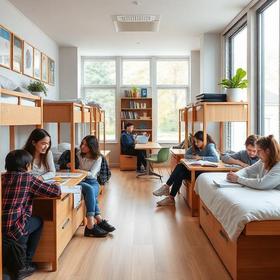

One of the most appealing features of boarding school education is the opportunity for students to develop close relationships with teachers. Smaller classes, residential campuses, and structured academic routines can create an environment where learning continues beyond the traditional school day. Families often hear that teachers are readily available for additional help, but what does that accessibility actually mean for students managing demanding academic schedules?
Teacher office hours and evening academic help at boarding schools can take several forms, including scheduled faculty meetings, supervised study sessions, peer tutoring, and specialized academic support centers. However, the availability of these resources varies considerably between institutions. A teacher living on campus does not necessarily mean that students can request individual assistance whenever they encounter a difficult assignment.
In 2026, families evaluating boarding schools should look beyond general promises of personalized attention and investigate how academic support operates in practice. Understanding when teachers are available, how students arrange additional help, and what happens when academic difficulties persist can reveal whether a school's support system genuinely meets individual learning needs.
What Do Teacher Office Hours Look Like at Boarding School?
Teacher office hours are designated periods when students can meet with instructors outside regular classroom instruction. These meetings may involve reviewing difficult concepts, discussing assignments, preparing for assessments, or receiving feedback on academic performance. At some boarding schools, office hours are built into the weekly timetable, while others encourage students to arrange appointments directly with teachers.
The structure of these sessions can influence how accessible academic help feels to students. Scheduled office hours provide predictable opportunities for assistance, but they may conflict with laboratory classes, athletics, rehearsals, or other required activities. Appointment-based systems offer greater flexibility, although students must take responsibility for arranging meetings and communicating their needs.
For example, The Hill School describes a system that includes faculty office hours twice weekly during the academic day, along with additional evening study sessions offered by many teachers. Students can also receive assistance from peer tutors and writing fellows. This combination demonstrates how different forms of support can complement regular classroom instruction.
Families should determine whether office hours are available to all students, whether appointments are required, and how frequently teachers can accommodate individual meetings. The practical availability of assistance matters more than the number of support opportunities listed in a school brochure.
How Much Academic Help Is Available During Evening Study Hours?
Evening study periods are a familiar feature of boarding school life. After classes, extracurricular activities, and dinner, students typically have designated time to complete assignments, prepare for examinations, and organize upcoming academic responsibilities. Although these sessions provide valuable structure, families should distinguish between supervised study time and direct instructional assistance.
A study hall monitored by a residential advisor may provide a quiet environment without guaranteeing access to a subject specialist. Students struggling with calculus, chemistry, or a foreign language may require assistance from someone with expertise in that particular discipline. Consequently, the presence of an adult supervisor does not necessarily mean that specialized academic help is available.
Boarding School Review's examination of daily life in a modern boarding school schedule provides broader context for how supervised study periods fit into residential routines. Families should examine whether these periods include access to classroom teachers, learning specialists, or academic support centers.
At Phillips Exeter Academy, an established evening Learning Center program has provided students with opportunities to receive assistance in mathematics, science, writing, and languages. Its approach illustrates how a centralized academic support location can make additional help more predictable and accessible.
The distinction is important because students benefit most when they know exactly where to seek assistance and which resources are available during their scheduled study periods.
Does Living on Campus Make Teachers More Accessible?
Residential boarding schools often encourage faculty members to participate in multiple aspects of campus life. A classroom teacher may also serve as an academic advisor, athletic coach, club sponsor, or dormitory supervisor. These overlapping responsibilities create opportunities for students and teachers to interact outside formal academic settings, potentially strengthening communication and mutual understanding.
However, faculty involvement in residential life does not automatically translate into unlimited academic availability. Teachers have instructional responsibilities, administrative duties, family commitments, and designated periods when they are not working. A faculty member supervising a dormitory may also be responsible for student safety and residential routines rather than providing subject-specific tutoring.
Boarding School Review explores these responsibilities in A Day in the Life of a Dorm Parent: Inside Residential Faculty Life. Understanding the different roles teachers perform can help families establish realistic expectations about academic assistance outside classroom hours.
Parents should ask whether teachers maintain scheduled evening availability, whether students can contact them electronically, and what procedures govern academic meetings outside normal school hours. Clear boundaries benefit both students and faculty by ensuring that assistance remains dependable, appropriate, and professionally organized.
What Happens When Students Need More Than Occasional Help?
Not every academic difficulty can be resolved through a brief conversation after class. Some students require ongoing support with time management, reading comprehension, mathematical foundations, or organizing complex assignments. Others may struggle temporarily while adjusting to the pace and expectations of a demanding boarding school curriculum.
A comprehensive academic support system should distinguish between occasional questions and persistent learning challenges. Students who repeatedly encounter difficulties may benefit from scheduled tutoring, study skills instruction, regular progress reviews, or coordinated assistance involving teachers and academic advisors.
The Hotchkiss School describes academic support that includes study skills assistance, evening study periods, and opportunities for additional faculty help. Its study skills program addresses areas such as time management, reading comprehension, and writing, demonstrating how support can extend beyond individual subject questions.
Families should investigate whether specialized assistance is included in tuition, requires additional payment, or is available only through particular programs. They should also determine how students are referred for additional support and whether parents receive updates when academic intervention becomes necessary.
Boarding School Review's article on what happens if a student fails a class at boarding school examines how schools may respond when academic difficulties become more serious. Early intervention is particularly important because students should not have to wait until grades deteriorate significantly before receiving meaningful assistance.
Can Students Get Help When Their Schedules Are Already Full?
One challenge families may overlook is the competition between academic support sessions and other boarding school commitments. Students often participate in athletics, performing arts, clubs, community service, and residential activities. Even when teachers offer additional help, students may struggle to attend sessions that overlap with required commitments.
For example, a student who needs extra assistance in mathematics may discover that the teacher's available office hours coincide with athletic practice. Another student may have access to evening tutoring but find that rehearsals, club meetings, or examinations restrict attendance.
Schools can address these difficulties through flexible appointment arrangements, alternative support sessions, and coordinated communication between academic and extracurricular departments. However, families should not assume that every institution offers the same accommodations.
The most useful question is whether students can realistically access help without repeatedly sacrificing other important commitments. A well-designed support system should acknowledge the demands of residential school life and provide reasonable opportunities for students to obtain assistance when they need it.
How Do Schools Encourage Students to Ask for Help?
Access to academic support depends partly on students feeling comfortable using the available resources. Some boarding students arrive accustomed to succeeding academically without additional assistance. Encountering more demanding coursework may require them to develop new study strategies and greater confidence in approaching teachers.
Schools can encourage these habits by normalizing office hour attendance, introducing academic support resources during orientation, and helping students recognize when additional guidance would be beneficial. Advisors and residential faculty can reinforce these expectations by discussing academic progress regularly rather than waiting for significant problems to emerge.
Phillips Academy Andover describes a coordinated student support structure involving advisors, residential personnel, and academic guidance. This approach highlights the importance of having adults who understand different aspects of a student's school experience and can communicate when concerns arise.
Families should ask whether students receive explicit instruction on arranging meetings with teachers and whether advisors monitor their use of academic resources. Younger students or those entering boarding school for the first time may need additional encouragement to seek assistance independently.
Developing confidence in requesting help is an important part of academic growth, particularly as students prepare for the greater independence expected in college.
Questions Parents Should Ask About Teacher Availability
When visiting boarding schools, families should request specific information about academic support rather than relying solely on general descriptions of faculty accessibility. A school may advertise extensive resources, but parents need to understand how those services function during an ordinary academic week.
Important questions include:
How many scheduled office hour opportunities do students have each week, and are individual appointments available?
Can students receive subject-specific assistance during evening study periods?
What happens when teacher office hours conflict with required extracurricular activities?
Are tutoring, writing centers, and study skills programs included in tuition?
How are students identified for additional academic support, and who monitors their progress?
What assistance is available when a student needs help outside scheduled support hours?
Families should also consider speaking with current students about their experiences. Their perspectives can reveal whether teachers respond promptly to requests, whether tutoring appointments are easy to arrange, and whether students feel comfortable seeking assistance.
Evaluating Academic Support Before Choosing a School
The quality of a boarding school's academic support system should be evaluated alongside its curriculum, faculty qualifications, and college preparation programs. An institution offering challenging coursework without dependable assistance may not provide the right environment for every student, particularly those who benefit from regular feedback and structured guidance.
Parents should compare the frequency of office hours, accessibility of subject specialists, availability of evening assistance, and procedures for addressing academic difficulties. They should also examine whether support services accommodate students with different learning styles, academic strengths, and levels of independence.
Boarding School Review's discussion of how boarding schools prepare students for college offers additional perspective on the relationship between academic expectations, faculty mentorship, and independent learning.
Ultimately, families should look for evidence that academic assistance is both accessible and effective. Clear scheduling procedures, coordinated student support, and a school culture that encourages questions can be more meaningful than broad promises of around-the-clock faculty attention.
Conclusion: Meaningful Access Matters More Than Availability on Paper
Teacher office hours and evening academic help can be significant advantages of boarding school education, but their value depends on how consistently students can use them. Residential campuses create opportunities for closer relationships with teachers, yet proximity alone does not guarantee timely or specialized academic assistance.
Families evaluating boarding schools in 2026 should investigate the practical details of teacher availability, evening tutoring, academic intervention, and student support coordination. Understanding these arrangements before enrollment can help parents determine whether a school offers the level of guidance their child may need.
The strongest academic support systems combine clear expectations with accessible resources and encourage students to seek assistance before difficulties become overwhelming. When teachers, advisors, and residential staff work together effectively, students can develop greater academic confidence, stronger study habits, and the independence necessary for future educational success.