When comparing boarding schools, families often focus on average class size. A school advertising 10 students per classroom may appear more personalized than one averaging 15. Yet those numbers reveal only a small part of the experience. A student attending a boarding school with 150 classmates may encounter a very different social and residential environment from someone attending a school with 1,000 students, even when their classrooms are similarly sized.
The distinction between boarding school size and class size matters because residential education extends well beyond academics. Students share dormitories, participate in athletics, build friendships, attend weekend activities, and develop relationships with adults throughout campus. Total enrollment can influence each of these experiences in ways that classroom numbers alone cannot capture.
For families evaluating schools in 2026, the important question is not simply whether smaller is better. It is whether a particular school provides the right combination of community, opportunity, independence, and personal attention for their child.
Understanding the Difference Between School Size and Class Size
School size refers to total student enrollment, while class size describes the number of students participating in an individual course. Although these measurements are related, they reflect different aspects of boarding school life.
A large boarding school may maintain small academic classes while offering numerous athletic teams, specialized electives, and student organizations. Conversely, a smaller institution may provide similarly intimate classroom instruction but operate with fewer academic departments and extracurricular options.
Boarding School Review's discussion of why small class sizes work explains how smaller learning groups can encourage participation and individual attention. However, these classroom advantages do not necessarily determine the quality of a student's broader residential experience.
The Education Endowment Foundation also emphasizes that reducing class size is most effective when teachers use the opportunity to change instructional practices and provide better feedback. Smaller numbers alone do not guarantee stronger learning outcomes.
Families should therefore evaluate classroom instruction and overall enrollment separately rather than assuming one measurement adequately represents the other.
How School Size Influences Friendships and Belonging
One of the most significant differences between small and large boarding schools involves the social environment. At a smaller institution, students may recognize nearly everyone on campus and interact regularly with peers across different grades. Shared activities and frequent encounters can encourage familiarity and help students develop a strong sense of community.
However, a close-knit environment can also create challenges. Students may have fewer opportunities to find peers with similar interests, and interpersonal disagreements can feel more difficult to escape when social circles overlap.
Larger boarding schools typically offer a wider range of friendship groups and student communities. This diversity may benefit students with specialized interests or those who prefer greater independence in choosing their social connections. Nevertheless, a larger population can feel overwhelming if the school does not provide effective structures for helping newcomers establish relationships.
The National Association of Independent Schools examined student belonging in a February 2026 research advisory, emphasizing that students benefit when they feel accepted, respected, and valued within their school communities.
Ultimately, belonging depends on more than enrollment figures. Families should investigate how schools help students develop friendships, participate in community activities, and find supportive peer groups.
Does School Size Change Dormitory Life?
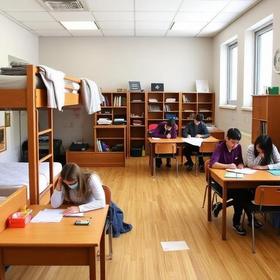
Residential life is another area where total enrollment can shape students' daily experiences. Smaller boarding schools may organize residential programs around a limited number of dormitories or house communities, allowing students to interact frequently with the same peers and faculty members.
Larger institutions may operate multiple residential houses, sometimes organized by grade level or other characteristics. These arrangements can create smaller communities within a much larger campus, helping students establish familiar routines and relationships.
As explained in Boarding School Review's guide to dorm life at boarding schools, residential experiences involve much more than shared accommodation. Dormitory routines, adult supervision, roommate relationships, and community expectations all contribute to students' development.
Parents should ask how many students live in each residence, how many adults supervise them, and whether younger students receive additional guidance. A school with 900 students may provide highly personalized residential support through carefully organized houses, while a smaller school may have fewer specialized resources.
The quality of dormitory relationships and supervision is therefore more important than assuming that a smaller campus automatically provides a better residential environment.
Academic Opportunities Beyond Classroom Numbers
School size can also influence the breadth of academic opportunities available to students. Larger boarding schools may have the enrollment and staffing necessary to offer specialized subjects, advanced language courses, research opportunities, and multiple sections of popular electives.
Smaller schools may offer fewer courses but provide greater flexibility in adapting instruction to individual interests. In some cases, close relationships with faculty members can make independent study or individualized academic projects easier to arrange.
Neither approach guarantees superior academic preparation. Students interested in specialized subjects should investigate whether the courses they need are offered regularly and whether enrollment restrictions could affect their academic plans.
Families should compare the availability of advanced coursework, academic advising, learning support, and teacher office hours alongside average class size.
Extracurricular Opportunities and Student Leadership
Outside the classroom, enrollment can influence the number and variety of activities available. Larger schools may support multiple athletic teams, extensive performing arts programs, specialized clubs, and competitive academic organizations. Students can explore numerous interests, although participation in popular activities may involve auditions, tryouts, or selection processes.
Smaller boarding schools may offer fewer formal programs but provide greater opportunities for students to participate in several activities. A student might play a varsity sport, perform in a school production, and hold a leadership position during the same academic year.
Boarding School Review's article on the power of community and service in a small school illustrates how residential communities can encourage student participation and shared responsibility.
Families should consider whether their child values a broad selection of activities or opportunities to assume meaningful responsibilities across several areas. The answer may depend on the student's personality, confidence, and existing interests.
Adult Support and the Importance of Personal Relationships
Students need reliable relationships with adults regardless of school size. Smaller schools may make it easier for faculty to know students across academic and residential settings, but larger institutions can provide similarly strong support through advising groups, residential houses, and dedicated student services.
The Centers for Disease Control and Prevention identifies school connectedness as an important factor in student well-being and academic engagement. Students who feel supported by adults and peers are more likely to experience positive educational outcomes.
Families should therefore investigate how frequently advisors meet with students, whether residential staff communicate with teachers, and how schools identify students who may be struggling socially or academically. These systems often reveal more about the quality of personal attention than enrollment statistics alone.
Which School Size Is Right for Your Child?
Choosing between a smaller and larger boarding school requires an understanding of the student's personality, interests, and preferred social environment. A student who values familiar routines and close relationships may appreciate a smaller community. Another who enjoys meeting new people, exploring specialized interests, and navigating a broader social environment may prefer a larger institution.
Neither preference should be treated as permanent. Adolescents develop new interests and become increasingly independent throughout their boarding school years. Families should consider whether a school can accommodate that growth.
The Search Institute emphasizes that supportive relationships help young people build confidence, develop resilience, and discover new opportunities. These qualities can develop in schools of different sizes when adults provide meaningful guidance.
During campus visits, parents should ask students how easily they make friends, how accessible teachers are outside class, and whether they feel comfortable participating in activities. Observing interactions during meals, between classes, and in residential spaces can provide valuable insight into the school's community.
Conclusion: School Size Shapes the Experience Beyond the Classroom
Does school size change the boarding experience more than class size? In many respects, it can. Class size primarily influences classroom interaction and instructional attention, while total enrollment can affect friendships, residential life, extracurricular opportunities, and the broader sense of community.
However, neither measurement independently determines educational quality or student satisfaction. A small school may offer exceptional personal attention but fewer specialized opportunities, while a larger school may provide extensive resources alongside carefully structured residential communities.
For families comparing boarding schools in 2026, the strongest approach is to evaluate both measurements alongside the student's individual needs. The right boarding school is not necessarily the smallest institution or the one advertising the fewest students per classroom. It is the school where academic opportunities, personal relationships, and residential experiences combine to create an environment in which the student can thrive.