Choosing boarding school for an only child can raise questions that extend well beyond academics. Parents may wonder whether sharing a bedroom will feel overwhelming, whether constant company will be welcome, and how their child will manage disagreements without returning home each afternoon. These concerns deserve attention, but the most useful starting point is the student’s actual experience rather than assumptions about growing up without siblings.
An only child may already navigate busy teams, close friendships, summer programs, and extended family relationships confidently. Another may enjoy socializing but depend on quiet evenings to recharge. Neither description, by itself, determines readiness for boarding school. What matters is how a particular school will support the transition from familiar family routines to shared residential life.
For families considering boarding school for an only child, the decision should center on realistic expectations, opportunities to build relationships, access to personal space, and dependable adult support.
Begin With Your Child’s Expectations
Before discussing roommate assignments or dormitory arrangements, explore what your child wants from boarding school. Concrete interests, such as joining a theater program, studying a particular subject, or participating in campus activities, provide a useful foundation for evaluating schools. A general desire to have friends nearby deserves further conversation about what daily companionship would actually involve.
A student may imagine that a roommate will become a best friend or that someone will always be available to socialize. Residential life also requires accepting that other students have different interests, friendships, and needs for privacy. Discussing those possibilities beforehand can help prevent ordinary differences from becoming unexpected disappointments.
Avoid presenting boarding school as a way to acquire substitute siblings. That expectation places unnecessary pressure on relationships that need time to develop. Instead, ask admissions staff how they prepare incoming students for the social realities of residential life. Look for an explanation of orientation, mentoring, and ongoing guidance rather than assurances that everyone quickly becomes close.
Consider Shared Living and Personal Space Together
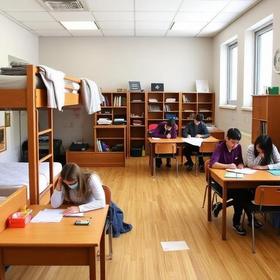
Being comfortable with friends does not necessarily mean being accustomed to sharing a bedroom. Students who have always had their own space may need practice negotiating noise, lighting, visitors, belongings, and bedtime routines. These are practical habits to discuss openly, rather than reasons to assume boarding will be difficult.
Boarding School Review’s explanation of roommate matching at boarding schools provides background on the preferences schools may consider. Families can use that information to investigate who completes housing questionnaires, how individual needs are communicated, and what happens after the initial assignment. A student who needs quiet to sleep should feel comfortable describing that preference honestly.
The school’s approach after move-in matters as much as its matching process. Ask whether staff help roommates establish agreements about borrowing possessions, phone calls, and guests, and how those agreements are revisited when problems arise. At home, practice expressing boundaries respectfully. Saying, “Please ask before borrowing my charger,” gives a student a concrete way to address a concern.
Personal space also extends beyond the bedroom. Find out where students can read, decompress, or call home privately, when those spaces are available, and whether permission is required. Review the actual residential schedule, including weekends, to determine whether your child would have enough downtime alongside required activities.
Look Beyond the Roommate for Friendship Opportunities
A roommate should not carry the entire responsibility for a student’s social adjustment. Families should examine how students build connections across classes, activities, dormitories, and grade levels, particularly when an initial friendship changes or fails to develop.
The Child Mind Institute recommends extracurricular participation as one way for students entering high school to expand their social circles. For boarding families, that makes access to activities an important part of evaluating fit. A school may advertise an impressive range of programs, but families should establish whether beginners can participate and whether auditions, competitive selection, fees, or scheduling conflicts limit access.
Ask how students entering later grades join established groups and what alternatives exist when a preferred team or club is unavailable. Regular, accessible opportunities to spend time with peers can give a student several routes into the community.
At home, discuss ordinary social setbacks without treating them as failures. A roommate choosing another lunch companion does not automatically signal rejection. Encouraging several connections helps keep one friendship from becoming the measure of whether boarding school is working.
Identify the Adults Who Will Know Your Child
An only child may be accustomed to parents noticing small changes in mood or routine. When that daily observation shifts to school staff, families need to understand who will know the student well enough to recognize a concern.
The Centers for Disease Control and Prevention describes school connectedness as feeling cared for, supported, and valued by adults and peers. Families can translate that principle into practical questions about individual check-ins, advisor relationships, and communication among residential staff.
Ask who meets regularly with new students and how adults respond when someone attends classes and earns good grades but spends most free time alone. The school should also distinguish between a student choosing restorative solitude and one who wants company but cannot find it.
Boarding School Review’s guide to evaluating a dorm’s social climate offers useful context for examining these systems. Request an anonymous example of how staff supported a student who struggled to join the community. Specific actions reveal more than broad descriptions of a caring environment.
Understand How Conflict Is Handled
Before enrollment, consider how your child typically responds to disagreement. Some students speak directly, while others withdraw, seek an adult immediately, or agree to arrangements they dislike. Understanding those habits creates an opportunity to practice explaining a problem, suggesting a solution, and recognizing when help is needed.
Schools should explain their response to ordinary roommate friction separately from bullying or harassment. The American Academy of Pediatrics identifies deliberate humiliation, exclusion, and rumor spreading as forms of social bullying. Ask how students report these concerns privately, who investigates them, and how the school protects students who seek help.
For everyday misunderstandings, find out how adults teach expectations that newcomers may not recognize. Boarding School Review’s discussion of the unwritten rules of boarding school life can help families identify situations worth discussing before arrival. Students should understand both their responsibility to treat others respectfully and their right to ask for support.
Build a Communication Plan That Supports Adjustment
Staying close requires a plan that accommodates school rules, activities, time differences, and your child’s preferences. Agree on a reasonable pattern of contact while allowing flexibility, so a missed call does not automatically become a source of worry.
When your child describes a difficult day, establish whether they want help making a plan or simply someone to listen. Guidance from the Child Mind Institute emphasizes listening, acknowledging feelings, and showing trust. Those habits can help parents remain supportive while involving campus adults when action is needed.
Parents also need to prepare for changes at home. Your child should feel free to enjoy school without becoming responsible for managing your loneliness. Discuss visits using the school calendar and your family’s circumstances, drawing on the considerations in how often parents should visit boarding school students.
Ultimately, choosing boarding school for an only child means matching an individual student with a community that supports connection and independence. An overnight visit, where available, can help your child identify what feels comfortable, what feels tiring, and which routines require practice. Look for accessible adults, clear processes, realistic expectations, and your child’s informed willingness to participate.