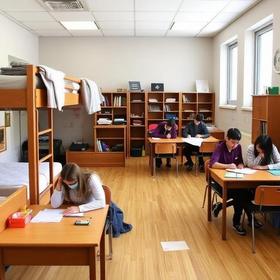

Families researching boarding schools have more information available than ever before. School websites feature virtual tours, student testimonials, academic statistics, and detailed descriptions of campus life. While these resources are valuable, today's parents increasingly expect something more: transparency.
In 2026, transparency extends well beyond marketing materials. Families want to understand how schools make decisions, respond to challenges, support students, and communicate with parents. Schools that openly share important policies demonstrate accountability and help prospective families determine whether the institution is the right fit.
Transparency does not mean revealing confidential information or eliminating professional judgment. Instead, it means providing families with clear expectations before enrollment, allowing them to make informed decisions with confidence.
Why Transparency Matters More Than Ever
Modern parents conduct extensive research before choosing a boarding school. They compare academic programs, residential life, extracurricular opportunities, and student outcomes. Increasingly, they also evaluate how openly schools communicate about expectations, procedures, and student support.
Transparent schools help reduce uncertainty by clearly explaining how they operate. Rather than leaving families to discover policies after enrollment, they make important information readily accessible.
This openness also builds trust. Families are more likely to feel confident about a school when they understand not only what the school offers but also how it handles difficult situations.
Boarding School Review discusses the importance of informed school selection in "Choosing the Best Boarding School: 10 Key Factors (2025)".
Academic Expectations Should Be Clearly Defined
Academic rigor is one of the primary reasons families choose boarding schools. However, expectations should be clearly explained before students arrive on campus.
Schools should publicly describe graduation requirements, academic support services, honor code expectations, policies regarding academic integrity, and procedures for students experiencing academic difficulty.
When these policies are easy to find, families can better understand whether the school's academic philosophy aligns with their child's learning style.
The National Association of Independent Schools (NAIS) encourages schools to foster cultures built on integrity, trust, and clear communication with families.
Student Wellness Policies Should Be Easy to Find
Student wellness has become a central consideration for many families.
Rather than simply stating that counseling services exist, schools should explain how students access support, how advisors are involved, how emergencies are handled, and when parents are notified.
Transparency helps families understand what services are available while setting realistic expectations about confidentiality and communication.
Boarding School Review explores this topic further in "Mental Health & Wellness at Boarding Schools".
Residential Life Policies Shape the Student Experience
Because boarding schools serve as both schools and homes, residential policies significantly influence daily life.
Families should be able to review information regarding dorm supervision, weekend programming, visitor expectations, leave procedures, technology policies, and residential support systems before making an enrollment decision.
These guidelines help students understand community expectations before arriving on campus.
The Association of Boarding Schools (TABS) emphasizes that successful residential programs depend upon clear expectations, strong relationships, and consistent communication.
Safety Procedures Should Be Publicly Available
Parents naturally want reassurance that schools have comprehensive safety plans.
While certain security measures should remain confidential, schools can still explain emergency notification procedures, health center services, crisis response protocols, campus supervision, and visitor management policies.
Providing this information demonstrates preparation without compromising campus security.
The U.S. Department of Education offers guidance on school safety planning and family communication that many schools use when developing their policies.
Technology and Artificial Intelligence Policies Are Increasingly Important
The rapid growth of artificial intelligence has created new questions for schools.
Families should understand how students are expected to use AI tools in academic work, what constitutes appropriate collaboration, and how schools address digital citizenship.
Likewise, schools should explain expectations surrounding personal devices, screen time, cybersecurity, and responsible technology use.
Transparent policies help students navigate emerging technologies responsibly while maintaining academic integrity.
Financial Policies Should Never Be Confusing
Families make significant financial commitments when choosing boarding schools.
Schools should clearly explain tuition schedules, payment deadlines, refund policies, financial aid procedures, and any additional required fees.
Unexpected expenses can create unnecessary frustration, making transparency especially valuable during the enrollment process.
Families comparing tuition and financial assistance options may find Boarding School Review's guide, "Financial Aid for Boarding Schools: 2026 Guide" useful when evaluating the total cost of attendance.
Communication Expectations Should Be Clearly Explained
One of the biggest concerns for parents is knowing how and when they will hear from the school.
Transparent schools explain advisor communication schedules, parent conferences, academic progress reports, emergency notifications, and residential updates before enrollment.
Families appreciate knowing what communication they can reasonably expect throughout the school year, and these expectations help strengthen partnerships between parents and schools.
Disciplinary Procedures Should Promote Understanding
Every school maintains standards of conduct, but families should understand how disciplinary decisions are made.
Schools do not need to publish every possible consequence. However, they should explain behavioral expectations, investigation procedures, student rights, parent involvement, and opportunities for restorative practices when appropriate.
Clear expectations contribute to a fair and consistent community.
Families interested in school culture may also find Boarding School Review's article, "Boarding School Mental Wellness After COVID: Best Practices" useful for understanding how schools continue to strengthen student support systems.
Transparency Includes Admitting What Cannot Be Guaranteed
The most trustworthy schools acknowledge that not every outcome can be predicted.
No school can guarantee admission to a particular university, immediate social adjustment, or a completely stress-free experience.
Instead, transparent schools explain the resources they provide, the support available, and the shared responsibilities of students, families, and faculty.
Honest expectations create stronger partnerships than unrealistic promises.
Questions Families Should Ask
Even when schools publish detailed policies, parents should seek clarification during admissions visits.
Consider asking questions such as:
- How often are school policies reviewed?
- When were major policies last updated?
- How are families informed about changes?
- How are students educated about school expectations?
- Where can parents access policy updates during the school year?
Schools that answer these questions openly typically demonstrate a culture of accountability.
Looking Beyond the Website
Transparency is about more than posting documents online.
Observe whether admissions representatives answer questions directly, whether current students describe policies consistently, and whether parents report positive communication experiences.
When written policies align with everyday practice, families gain confidence that the school's culture reflects its stated values.
Conclusion
Transparency has become one of the defining characteristics of outstanding boarding schools in 2026. Families expect more than attractive campuses and strong academic programs. They want clear communication, accessible policies, and honest explanations about how schools support students and partner with parents.
Schools that openly share information about academics, wellness, residential life, safety, technology, finances, and communication help families make informed decisions before enrollment. That transparency builds trust, strengthens school-family relationships, and creates a foundation for a successful boarding school experience.