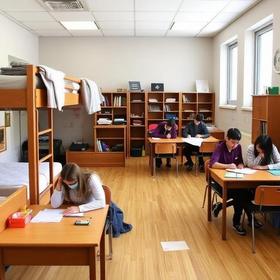

Parents have always considered academics, extracurricular opportunities, and college preparation when evaluating boarding schools. Today, however, another factor deserves equal attention: student mental health.
Over the past several years, educators, healthcare professionals, and school leaders have reported increasing rates of anxiety, depression, stress, and social isolation among adolescents. While boarding schools cannot eliminate these challenges, the quality of a school's support systems can significantly influence how well students adapt, grow, and thrive.
Choosing a boarding school now involves more than comparing test scores or campus facilities. Families should carefully evaluate how schools promote emotional well-being, build supportive communities, and respond when students need help.
Understanding Today's Mental Health Landscape
Young people today face pressures that differ from previous generations. Academic expectations remain high, while social media, increased screen time, global events, and uncertainty about the future have added new sources of stress.
According to the Centers for Disease Control and Prevention (CDC), recent Youth Risk Behavior Survey findings continue to show elevated levels of persistent sadness, anxiety, and emotional distress among high school students. These trends have prompted many independent schools to expand counseling services, wellness programming, and faculty training.
For boarding schools, where students live as well as learn, mental health support becomes an essential component of the educational experience rather than an additional service.
A Strong Community Can Be a Protective Factor
One advantage many boarding schools offer is a close-knit residential community.
Students interact daily with teachers, advisors, dorm parents, coaches, and classmates. These consistent relationships make it easier for trusted adults to notice changes in behavior, identify students who may need support, and intervene before small concerns become larger problems.
Community also helps reduce isolation. Students who feel connected to peers and adults are generally more likely to seek help when challenges arise and develop greater resilience over time.
Families interested in understanding residential communities may find Boarding School Review's article, "Boarding School Myths", helpful for separating common misconceptions from everyday boarding school life.
Look Beyond the Counseling Office
Many schools proudly advertise their counseling centers, but families should dig deeper.
Instead of simply asking whether counselors are available, ask how wellness is integrated throughout campus life.
Some of the most valuable questions include:
- How many counselors serve the student population?
- Whether appointments are easy to schedule?
- How advisors are trained to recognize concerns?
- What role dorm parents play in supporting students?
- How the school communicates with families when issues arise?
Schools with comprehensive support systems rarely rely on counselors alone. Faculty, advisors, residential staff, coaches, and administrators all contribute to student well-being.
Faculty Relationships Matter More Than Ever
Research consistently shows that students perform better academically and emotionally when they have trusted relationships with adults.
Boarding schools naturally create opportunities for these relationships because teachers often serve multiple roles beyond the classroom. A history teacher may also coach athletics, supervise evening study hall, advise student organizations, or live in a residence hall.
These multiple interactions allow faculty members to know students as individuals rather than simply as names on a class roster.
The National Association of Independent Schools (NAIS) encourages member schools to promote student belonging, healthy relationships, and supportive school cultures as essential components of student success.
Evaluate the School's Daily Rhythm
Student wellness is influenced by everyday routines just as much as formal counseling services.
When visiting campuses, pay attention to how the school balances academics with opportunities for recreation, sleep, athletics, artistic expression, and social interaction.
Ask whether students have structured downtime, reasonable homework expectations, and opportunities to disconnect from constant academic pressure.
Schools that intentionally build balance into the daily schedule often create healthier learning environments.
Boarding School Review discusses the broader benefits of residential education in "Why Boarding School?".
Ask How the School Handles Stress
Every boarding school serves ambitious students, but schools differ in how they respond when stress becomes overwhelming.
Rather than asking whether students experience stress, ask admissions staff how the school helps students manage it. Schools may describe advisor check-ins, wellness education, peer mentoring, mindfulness initiatives, academic support services, or workshops that teach students effective time management and healthy study habits.
The American Academy of Pediatrics (AAP) also recommends proactive approaches that combine emotional support, healthy routines, and strong relationships to promote adolescent well-being.
Student Belonging Should Be a Priority
Academic success becomes much more difficult when students feel disconnected from their community.
During your visit, observe whether students appear comfortable interacting with faculty and each other. Ask current students how easy it was to make friends during their first semester and whether older students helped them adjust.
Schools that intentionally foster inclusive residential communities often help students develop confidence alongside independence.
Communication With Families Is Essential
Parents naturally worry when their children live away from home.
Strong boarding schools recognize that supporting students also means maintaining clear communication with families.
Ask how often advisors contact parents, what happens if concerns arise, and how families are involved in developing support plans when necessary.
Consistent communication builds trust and helps parents remain active partners in their child's education.
Families can also learn more by reading Boarding School Review's article, "Mental Health Support in Boarding Schools: Key Questions for Parents", which explores how schools approach counseling, student wellness, and emotional support.
Wellness Should Be Part of School Culture
The strongest schools do not simply respond to mental health concerns after problems appear. Instead, they create an environment where healthy habits are encouraged from the first day of school.
Students benefit from meaningful advisor relationships, regular physical activity, healthy sleep routines, opportunities for leadership, balanced academic expectations, and a residential community that promotes connection rather than competition. These elements work together to support student well-being long before a crisis occurs.
Questions Every Parent Should Ask
Rather than focusing exclusively on facilities or rankings, consider asking admissions representatives questions such as:
- How do you know when a student is struggling?
- What support systems work together when concerns arise?
- How are residential staff trained to recognize mental health concerns?
- What wellness initiatives have been introduced during the past two years?
The answers often reveal far more about a school's culture than statistics alone.
Choosing the Right Environment
No boarding school can guarantee that every student will avoid stress or emotional challenges. Adolescence is naturally a period of significant growth and change.
However, schools differ greatly in how they prepare students to navigate those challenges.
When comparing schools, look for evidence that wellness is woven into daily life rather than confined to a counseling office. Observe relationships between students and adults, ask thoughtful questions about communication and support, and consider whether the school's philosophy aligns with your child's personality and needs.
Conclusion
Recent youth mental health trends have reshaped the way families evaluate boarding schools. Academic excellence remains important, but emotional well-being, supportive relationships, and healthy residential communities have become equally significant considerations.
Families who look beyond rankings and facilities to examine a school's culture, communication, and student support systems are better positioned to find an environment where their child can flourish. A boarding school that prioritizes mental health alongside academic achievement is not simply preparing students for college. It is helping them develop the resilience, confidence, and well-being they will carry throughout their lives.