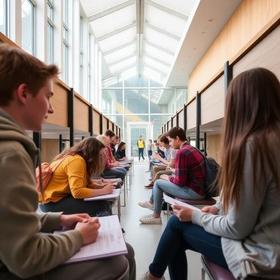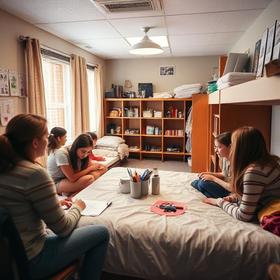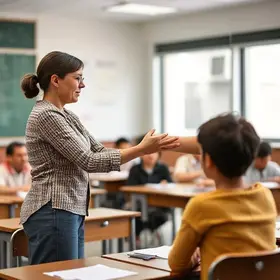
When families think about boarding schools, they often focus on academics, athletics, and college preparation. Yet one of the most important influences on student success may be the adults who live alongside students every day: dorm parents.
Known at some schools as houseparents, residential faculty, or dorm faculty, these educators wear many hats. They supervise dormitories, mentor students, support emotional well-being, help resolve conflicts, and often teach classes or coach athletic teams.
For students, dorm parents are frequently the first adults they turn to when facing challenges away from home. For parents, they provide reassurance that caring adults are available around the clock. According to the National Association of Independent Schools (NAIS), strong student-adult relationships are among the most important factors contributing to student engagement and development in residential communities.
What does a typical day actually look like for a dorm parent? The answer reveals just how much happens behind the scenes in boarding school life.
More Than a Residential Supervisor
Many families assume dorm parents simply oversee residence halls during evenings and weekends. In reality, residential faculty often play a much larger role within the school community.
A dorm parent may simultaneously serve as:
- A classroom teacher
- An athletic coach
- A student advisor
- A club sponsor
- A residential supervisor
- A mentor and counselor
This multi-faceted role allows dorm parents to build meaningful relationships with students across multiple settings throughout the day.
As explained in Boarding School Residential Life Models Explained, residential programs are intentionally designed to integrate academics, mentorship, and community living into a single educational experience.
A Typical Morning in the Dorm
The day often begins long before students enter their first classroom.
Early Check-Ins
Many dorm parents start their mornings by ensuring students are awake and preparing for the day. While older students are expected to manage their own routines, residential faculty remain available to assist students who may be struggling with time management or adjusting to boarding school life.
For new students especially, these early interactions can help establish consistency and stability during the transition to living away from home.
Breakfast and Informal Conversations
Morning meals often provide opportunities for casual interactions.
Students may discuss:
- Upcoming exams
- Athletic competitions
- Weekend plans
- College applications
- Personal concerns
These informal conversations frequently provide valuable insight into how students are adjusting academically and socially.
The Academic Day
Once classes begin, many dorm parents transition into their academic responsibilities.
Teaching and Advising
At most boarding schools, residential faculty are full-time educators.
A dorm parent might spend the day:
- Teaching history classes
- Leading science labs
- Advising student clubs
- Meeting with advisees
- Attending faculty meetings
This integration allows students to interact with trusted adults throughout the school day rather than only during residential hours.
According to The First 30 Days at Boarding School, early relationships with advisors and residential faculty often play a significant role in helping new students feel connected to campus.
Academic Support Outside the Classroom
One advantage of boarding schools is faculty accessibility.
Students can often seek help:
- Between classes
- During free periods
- After school
- During evening study hours
Unlike many traditional schools, academic support does not necessarily end when classes conclude.
Afternoons: Activities and Mentorship
Boarding schools emphasize the development of the whole student.
As a result, afternoons are often filled with activities beyond academics.
Coaching and Extracurricular Leadership
Many dorm parents coach athletic teams or supervise extracurricular programs.
Activities may include:
- Soccer practice
- Debate team meetings
- Theater rehearsals
- Robotics competitions
- Community service programs
Working with students in different settings helps residential faculty develop a deeper understanding of student strengths, interests, and challenges.
Building Relationships Beyond Academics
Some of the most meaningful interactions occur outside the classroom.
A student may discuss:
- Friendship concerns
- Homesickness
- Time management challenges
- College aspirations
- Personal goals
These conversations help create the supportive environment that distinguishes boarding schools from many other educational settings.
Evenings: The Heart of Residential Life
For most dorm parents, the busiest part of the day begins when classes and activities end.
Dinner and Community Building
Shared meals are an important part of residential culture.
Dinner often serves as a gathering point where students and faculty reconnect after a busy day. These communal experiences help strengthen relationships and reinforce a sense of belonging.
Families interested in understanding residential culture can learn more in Dorm Life at Boarding Schools: What Students Can Expect.
Study Hall Supervision
Evening study periods are a central component of boarding school life.
Dorm parents frequently:
- Monitor study halls
- Answer academic questions
- Encourage productive habits
- Help students manage workloads
Research and enrollment data published by the National Center for Education Statistics (NCES) continue to highlight the importance of structured learning environments in supporting student achievement.
Supporting Student Well-Being
Not every conversation during study hall is academic.
Students often seek guidance regarding:
- Stress management
- Social challenges
- Family concerns
- Academic pressure
Because dorm parents interact with students daily, they are often well-positioned to recognize when additional support may be needed.
Nights and On-Call Responsibilities
Unlike most educational roles, the workday for a dorm parent does not necessarily end when students return to their rooms.
Residential Oversight
Evening responsibilities often include:
- Attendance checks
- Dorm meetings
- Room inspections
- Student wellness checks
- Enforcing residential expectations
These responsibilities help maintain a safe and supportive residential environment.
Responding to Unexpected Situations
Dorm parents must also be prepared for unexpected issues.
Examples may include:
- Illness
- Homesickness
- Interpersonal conflicts
- Facility concerns
- Emergency situations
Having trained adults living on campus provides an additional layer of support and security for students and families.
The Rewards of Residential Faculty Life
While the role requires long hours and significant responsibility, many dorm parents describe it as one of the most rewarding careers in education.
Watching Students Grow
Residential faculty witness student development firsthand.
They see students:
- Gain confidence
- Develop independence
- Build leadership skills
- Overcome challenges
- Form lifelong friendships
These transformations often occur gradually through daily interactions rather than dramatic moments.
Becoming Part of a Community
Unlike many educational settings, boarding schools create opportunities for faculty and students to build relationships that extend beyond the classroom.
The residential environment fosters a strong sense of community, shared responsibility, and mutual support that often lasts long after graduation.
Families preparing for boarding school can gain additional perspective by reading How to Prepare Your Child for Boarding School Life.
Why Dorm Parents Matter
Dorm parents are far more than supervisors who monitor residence halls. They are teachers, advisors, coaches, mentors, and trusted adults who help shape the boarding school experience.
Their daily responsibilities extend from early-morning check-ins to late-night support, creating a framework that helps students thrive academically, socially, and personally.
As families evaluate boarding school options, understanding the role of residential faculty can provide valuable insight into what makes boarding schools unique. Additional information about student well-being, school safety, and educational support systems is available through the U.S. Department of Education.
For many students, the relationships formed with dorm parents become one of the most memorable and meaningful parts of their boarding school journey.
Conclusion
Dorm parents are among the most influential figures in boarding school life. By serving as educators, mentors, advisors, and residential leaders, they help create the supportive environment that allows students to grow academically, socially, and personally. Understanding the role of residential faculty gives families a clearer picture of what makes boarding schools unique and why strong student-adult relationships remain a cornerstone of the boarding school experience.