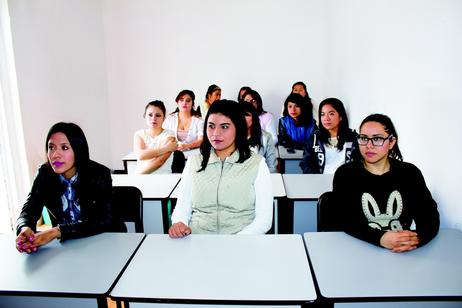

For families considering residential education, deciding where a child should attend is only part of the equation. Another important question is when the transition should happen. Should your child start boarding school in 9th grade, entering at the traditional beginning of high school, or remain at the current school and apply for 10th or 11th grade?
There is no universally correct entry grade. Starting in 9th grade can give a student four years to establish friendships, participate in activities, develop relationships with teachers, and progress through one school's academic program. Waiting can provide additional time for emotional maturity, stronger study habits, or greater certainty that boarding school is the right choice.
The decision should focus less on a student's chronological age and more on readiness, educational continuity, social circumstances, and what the family hopes boarding school will provide.
Why 9th Grade Can Be a Natural Starting Point
Ninth grade represents a transition for almost every student, whether or not boarding school is involved.
Class schedules become more demanding, extracurricular opportunities expand, academic performance begins contributing to the high school transcript, and students face greater expectations for managing their time. At boarding school, those changes occur alongside another major adjustment: living away from home.
Making both transitions simultaneously can sound daunting. For some students, however, it offers an important advantage. They enter when many classmates are also adapting to a new high school environment.
Instead of joining an established class midway through high school, a ninth grader can build