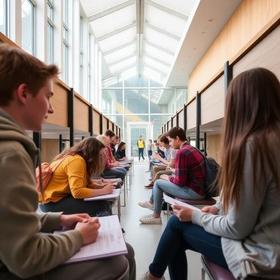
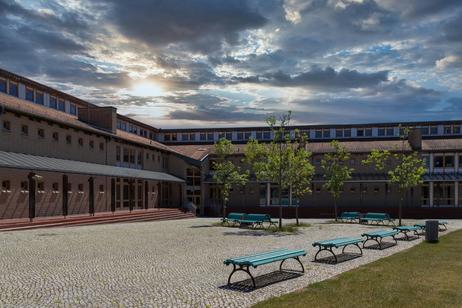
When people think about boarding school, they often assume that every student heads home when classes pause for holidays or vacation periods. In reality, many boarding students remain on campus during school breaks.
International students, students whose families live far away, athletes, and students with travel limitations may stay at school during certain breaks throughout the year. To support these students, boarding schools typically maintain housing, dining services, supervision, and activities even when regular classes are not in session.
Understanding what happens during school breaks can help families feel more confident about residential life. According to the National Association of Independent Schools (NAIS), strong residential programs provide support and community experiences that extend beyond the traditional academic day.
Which School Breaks Allow Students to Stay on Campus?
Not every break follows the same policies.
Most boarding schools establish specific guidelines regarding when students may remain on campus and when they are expected to leave.
Common Break Policies
Break periods often include:
- Long weekends
- Fall breaks
- Thanksgiving recess
- Winter holidays
- Spring break
- Exam periods
Schools typically communicate these policies well in advance so families can make appropriate travel arrangements.
International Students Often Stay
Many international students remain on campus during at least some school breaks due to travel costs, visa considerations, or geographic distance.
Residential programs are often designed with these students in mind. Schools may offer additional programming and support services to ensure students staying on campus continue to feel connected and engaged.
Families interested in learning more about residential communities can explore Boarding School Residential Life Models Explained.
Housing During School Breaks
While academic schedules may pause, residential operations continue.
Consolidated Dormitories
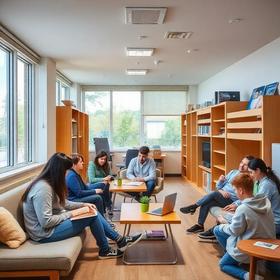
Many schools temporarily house students in fewer dormitories during breaks.
This approach helps schools:
- Maintain effective supervision
- Improve safety oversight
- Streamline staffing
- Build stronger student communities
Students are usually notified ahead of time if temporary housing changes will occur.
Residential Faculty Remain Available
One of the biggest advantages of boarding school life is the continued presence of residential faculty.
Dorm parents, houseparents, and residential staff remain available to provide:
- Guidance
- Supervision
- Wellness support
- Emergency assistance
These relationships often become especially important during quieter periods when fewer students are on campus.
Community Expectations Continue
Although the atmosphere may feel more relaxed, students are still expected to follow school policies.
Residential expectations generally include:
- Curfews
- Check-ins
- Attendance requirements
- Community standards
- Campus conduct rules
Maintaining these structures helps create a safe and supportive environment.
Meals and Daily Life During Breaks
Dining services typically continue operating throughout approved break periods.
Modified Dining Schedules
Schools may adjust meal hours and dining locations based on the number of students remaining on campus.
Students often benefit from:
- Flexible meal times
- Smaller dining groups
- Holiday-themed meals
- Community dinners
Even with reduced schedules, schools continue providing access to regular meals and essential services.
Greater Independence
Without regular classes, students often have more flexibility in organizing their days.
Many students spend time:
- Reading
- Exercising
- Exploring hobbies
- Working on personal projects
- Preparing for upcoming academic responsibilities
These quieter periods often encourage greater independence and self-management.
Activities and Programs During School Breaks
A common misconception is that campuses become inactive during vacations.
In reality, many schools organize extensive programming for students who remain on campus.
Recreational Activities
Popular break activities may include:
- Movie nights
- Sports tournaments
- Game competitions
- Arts and crafts sessions
- Outdoor excursions
- Community gatherings
These events help students stay connected while enjoying a more relaxed pace.
Educational Opportunities
Many schools also use breaks to offer enrichment experiences.
Examples include:
- College visits
- Museum trips
- Leadership workshops
- Community service projects
- Cultural experiences
Families interested in understanding everyday student life may also enjoy reading Daily Life in a Modern Boarding School Schedule.
Academic Support During School Breaks
Although classes may not be meeting, academic support frequently remains available.
Independent Study Time
Students often use breaks to:
- Complete major assignments
- Study for exams
- Work on research projects
- Prepare college applications
The quieter environment can provide an excellent opportunity for focused academic work.
Faculty Accessibility
Many teachers and advisors remain on campus during portions of school breaks.
Students may continue to access:
- Academic support
- Writing assistance
- College counseling
- Faculty mentoring
Research and educational data available through the National Center for Education Statistics (NCES) consistently highlight the importance of supportive educational environments for student success.
Emotional and Social Support
School breaks can be enjoyable, but they may also present emotional challenges.
Managing Homesickness
Students who remain on campus while friends travel home may occasionally experience homesickness or loneliness.
Boarding schools typically address these concerns through:
- Organized activities
- Advisor check-ins
- Residential events
- Peer support opportunities
Strong residential communities help students maintain a sense of belonging throughout the year.
Maintaining Connections
Technology, scheduled family communication, and residential programming help students stay connected with loved ones while remaining engaged in campus life.
Families preparing for boarding school can learn more by reading How to Prepare Your Child for Boarding School Life.
Benefits of Staying on Campus During Breaks
Many students discover unexpected advantages to remaining on campus.
Stronger Relationships
Smaller student populations often create opportunities for deeper friendships and stronger relationships with faculty members.
Students frequently describe these periods as some of the most memorable parts of their boarding school experience.
Increased Independence
Managing free time responsibly helps students develop:
- Self-discipline
- Time-management skills
- Personal responsibility
- Confidence
These life skills continue to benefit students long after graduation.
A Unique Boarding School Experience
Break periods offer a different perspective on campus life. Students often enjoy greater flexibility while still benefiting from the structure, support, and resources that make boarding schools unique.
Families interested in understanding residential expectations can also explore Dorm Life at Boarding Schools: What Students Can Expect.
Conclusion
For students who remain on campus, school breaks are far more than time between academic terms. Boarding schools continue to provide housing, meals, supervision, activities, and emotional support while creating opportunities for independence and personal growth. These programs help ensure that students who stay on campus remain connected, supported, and engaged throughout the year.
For additional information about student support programs and educational resources, families can review guidance available through the U.S. Department of Education.