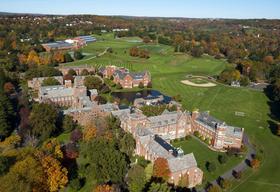

For many families, one of the biggest reasons to consider boarding school is college preparation. Academic rigor, personalized advising, residential structure, and extensive extracurricular opportunities can create a strong foundation for university admissions success. In 2026, boarding schools continue to stand out for their ability to place graduates at highly selective colleges and universities across the United States and internationally.
Still, parents should look beyond headline acceptance numbers. The best university placement outcomes are typically driven by a combination of experienced college counseling teams, strong academic programs, individualized student support, and a school culture that encourages long-term growth rather than admissions branding alone.
This guide explores what defines strong university placement rates, which boarding schools are consistently recognized for successful college matriculation, and how families can evaluate outcomes realistically.
For families beginning their search, the broader boarding school directory at https://www.boardingschoolreview.com/ offers updated 2026 school profiles, admissions information, and comparison tools.
What “University Placement Rates” Actually Mean
The phrase “university placement rates” can be misleading if viewed too narrowly. Most reputable boarding schools report some combination of:
- Percentage of graduates attending four-year colleges
- Acceptance rates to selective universities
- Matriculation lists showing where graduates enroll
- Number of admissions to Ivy League or top-ranked institutions
- First-choice or top-choice university placements
A high-performing boarding school does not simply send students to elite universities. Instead, the strongest schools consistently help students find colleges that match their academic interests, career goals, and learning styles.
Parents should also remember that admissions outcomes