
Evaluating Schools

Here we’ll provide you with information on evaluating boarding schools. From comparing schools to identifying language and sports programs, our articles will help you make an informed decision. Learn the best approach to compare schools, get tips on creating a spreadsheet, and determine where to find the data.

View the most popular articles in Evaluating Schools:

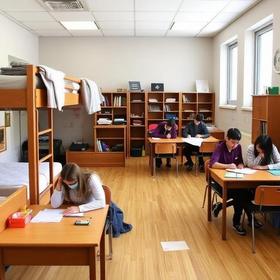
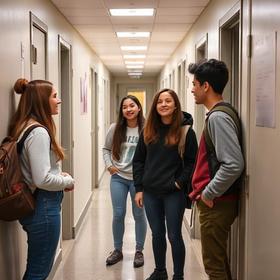
How to Evaluate a Dorm’s Social Climate Before Enrolling

Updated
|
How to Evaluate a Dorm’s Social Climate Before Enrolling
Learn how to evaluate a boarding school dorm’s social climate, including friendships, supervision, inclusion, conflict resolution, and student belonging.

A dormitory can look impressive on a campus tour and still tell you very little about what it feels like to live there.

For families choosing a boarding school, evaluating a dorm’s social climate before enrolling deserves the same attention as academics, athletics, college counseling, and facilities. Students do not simply sleep in dormitories. They spend evenings there, navigate roommate relationships, study with peers, relax after demanding days, and learn how to live within a community.

That makes residential culture an important part of school fit. A healthy dorm should offer more than rules and supervision. Students should have opportunities to form friendships, seek help, resolve disagreements, and participate in a community without feeling that they must conform to a narrow social type.

Recent research reinforces the importance of belonging. The National Association of Independent Schools reported in 2026 that students who feel connected to their school are more likely to engage in learning, feel safe, and persist through challenges.

Here is how families can look beyond the dorm tour and assess the social environment their child would actually experience.

Why a Dorm’s Social Climate Matters

Residential life intensifies the ordinary social experiences of adolescence. A disagreement with a classmate does not necessarily end when the school day finishes because that classmate may also live down the hall. At the same time, boarding offers unusual opportunities for close friendships, mentorship, independence, and community.

The Centers for Disease Control and Prevention defines school connectedness in

. . .read more

Homesickness or a Poor School Fit? How Parents Can Tell the Difference

Updated
|
Homesickness or a Poor School Fit? How Parents Can Tell the Difference
Learn how to distinguish normal homesickness from signs that a boarding school may not be the right fit, and discover practical strategies for supporting your child through the transition.

Sending a child to boarding school is an exciting milestone, but it also comes with emotional challenges for both students and parents. Even children who have looked forward to attending boarding school can struggle during their first weeks away from home. Missing family, adjusting to a new routine, and building friendships are all normal parts of the transition.

For parents, however, it can be difficult to determine whether these feelings are simply temporary homesickness or signs that the school itself may not be the right fit. Knowing the difference can help families respond appropriately, offering reassurance when it is needed while recognizing situations that may require a deeper evaluation.

The good news is that most students settle into boarding school successfully. By understanding the typical adjustment process and recognizing the warning signs of a poor school fit, parents can make thoughtful decisions that support both their child's well-being and long-term success.

Understanding Homesickness

Homesickness is one of the most common experiences among first-year boarding school students. It affects children of all ages and personalities, including those who seemed confident and independent before leaving home.

Students commonly miss:

  • Family routines
  • Close friends
  • Pets
  • Familiar surroundings
  • Personal comforts
  • Community traditions

These feelings often become strongest during the first few weeks of school or after returning from vacations and school breaks.

According to the American Psychological Association, homesickness is a normal emotional response to separation and unfamiliar surroundings. Most students gradually adjust as they develop friendships, establish routines, and gain confidence within their new

. . .read more

What Transparency Looks Like in 2026: Policies Every Boarding School Should Share Publicly

Updated
|
What Transparency Looks Like in 2026: Policies Every Boarding School Should Share Publicly
Discover the policies every boarding school should publish in 2026 and learn how transparency helps families make more informed enrollment decisions.

Families researching boarding schools have more information available than ever before. School websites feature virtual tours, student testimonials, academic statistics, and detailed descriptions of campus life. While these resources are valuable, today's parents increasingly expect something more: transparency.

In 2026, transparency extends well beyond marketing materials. Families want to understand how schools make decisions, respond to challenges, support students, and communicate with parents. Schools that openly share important policies demonstrate accountability and help prospective families determine whether the institution is the right fit.

Transparency does not mean revealing confidential information or eliminating professional judgment. Instead, it means providing families with clear expectations before enrollment, allowing them to make informed decisions with confidence.

Why Transparency Matters More Than Ever

Modern parents conduct extensive research before choosing a boarding school. They compare academic programs, residential life, extracurricular opportunities, and student outcomes. Increasingly, they also evaluate how openly schools communicate about expectations, procedures, and student support.

Transparent schools help reduce uncertainty by clearly explaining how they operate. Rather than leaving families to discover policies after enrollment, they make important information readily accessible.

This openness also builds trust. Families are more likely to feel confident about a school when they understand not only what the school offers but also how it handles difficult situations.

Boarding School Review discusses the importance of informed school selection in "Choosing the Best Boarding School: 10 Key Factors (2025)".

Academic Expectations Should Be Clearly Defined

Academic rigor is one of the primary reasons families choose boarding

. . .read more

How Recent Youth Mental Health Trends Should Influence School Selection

Updated
|
How Recent Youth Mental Health Trends Should Influence School Selection
Learn how rising youth mental health concerns should shape your boarding school search and what support systems families should prioritize.

Parents have always considered academics, extracurricular opportunities, and college preparation when evaluating boarding schools. Today, however, another factor deserves equal attention: student mental health.

Over the past several years, educators, healthcare professionals, and school leaders have reported increasing rates of anxiety, depression, stress, and social isolation among adolescents. While boarding schools cannot eliminate these challenges, the quality of a school's support systems can significantly influence how well students adapt, grow, and thrive.

Choosing a boarding school now involves more than comparing test scores or campus facilities. Families should carefully evaluate how schools promote emotional well-being, build supportive communities, and respond when students need help.

Understanding Today's Mental Health Landscape

Young people today face pressures that differ from previous generations. Academic expectations remain high, while social media, increased screen time, global events, and uncertainty about the future have added new sources of stress.

According to the Centers for Disease Control and Prevention (CDC), recent Youth Risk Behavior Survey findings continue to show elevated levels of persistent sadness, anxiety, and emotional distress among high school students. These trends have prompted many independent schools to expand counseling services, wellness programming, and faculty training.

For boarding schools, where students live as well as learn, mental health support becomes an essential component of the educational experience rather than an additional service.

A Strong Community Can Be a Protective Factor

One advantage many boarding schools offer is a close-knit residential community.

Students interact daily with teachers, advisors, dorm parents, coaches, and classmates.

. . .read more

School Reputation vs School Fit: Which Predicts Student Success Better?

Updated
|
School Reputation vs School Fit: Which Predicts Student Success Better?
Discover whether a boarding school's reputation or its fit for your child is the stronger predictor of long-term academic, social, and personal success.

For many families beginning the boarding school search, the process starts with a familiar question:

Which schools have the best reputation?

It is an understandable place to begin. Established boarding schools often have distinguished histories, accomplished alumni, impressive college placement records, beautiful campuses, and highly selective admissions processes. Their names carry prestige, and for many parents, admission to one of these institutions feels like a significant achievement.

Yet ask experienced admissions directors, educators, or boarding school alumni what ultimately determines a student's success, and a different answer frequently emerges.

Success is often less about attending the most prestigious school and more about attending the school that is the right fit.

That distinction can dramatically shape a student's academic performance, personal confidence, leadership development, and overall happiness. While reputation provides useful information about a school, it cannot predict how an individual student will respond to its culture, expectations, teaching style, or residential community.

The most successful boarding school experience usually occurs when reputation and fit work together. If families must prioritize one over the other, however, educational research and decades of boarding school experience suggest that fit often has the greater influence on long-term success.

Why Reputation Captures So Much Attention

Reputation is powerful because it offers reassurance.

Parents making one of the most important educational decisions of their child's life naturally seek evidence that a school consistently delivers excellent outcomes. Long-established institutions often have extensive resources, accomplished faculty, competitive academic programs, and broad extracurricular opportunities. They may also

. . .read more

Recent Articles

AI Rules at Boarding Schools: A Guide for Families
Learn what families should ask boarding schools about AI rules, academic integrity, student learning, discipline, data privacy, and teacher oversight.
What Happens When a Boarding Student Wants to Leave Midyear?
What happens when a boarding student wants to leave midyear? Learn how families can assess the problem, work with the school, and plan a responsible exit.
How to Evaluate a Dorm’s Social Climate Before Enrolling
Learn how to evaluate a boarding school dorm’s social climate, including friendships, supervision, inclusion, conflict resolution, and student belonging.