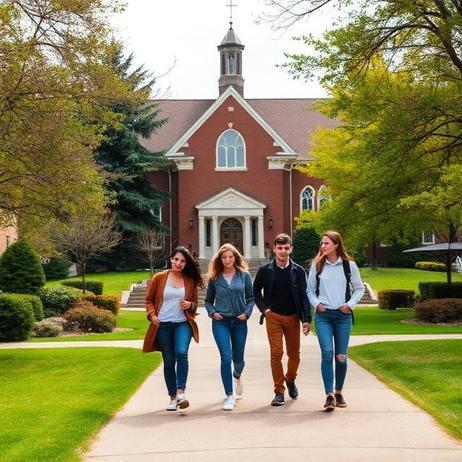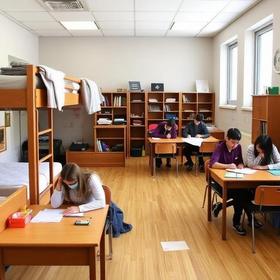

Boarding school faculty residency programs are becoming increasingly important as schools rethink how they recruit, train and retain teachers in residential communities. In 2026, these programs are not simply about providing faculty housing. They are about preparing educators to teach, mentor, coach, advise and live within a school culture that operates well beyond the traditional classroom day.
For families evaluating boarding schools, faculty residency matters because students benefit from adults who are present, accessible and deeply invested in campus life. For educators, these programs can provide mentoring, professional development, housing support and a clearer pathway into boarding school teaching.
What Are Boarding School Faculty Residency Programs?
Boarding school faculty residency programs typically place teachers, fellows, or early-career educators on campus as part of a structured residential role. A faculty resident may teach classes, coach a sport, supervise a dorm, advise students, lead weekend activities and participate in community programming.
This model reflects the distinctive nature of boarding education. Unlike most day schools, boarding schools depend on adults who know students in multiple settings. A teacher may see a student in English class, at dinner, during evening study hall and on a weekend service trip.
Boarding School Review's guide to teaching in a boarding school explains how boarding school educators often hold several overlapping responsibilities. Faculty residency programs help make those responsibilities more intentional and better supported.
Why Faculty Residency Programs Are Growing
Several trends are driving renewed attention to boarding school faculty residency programs.
Independent schools are