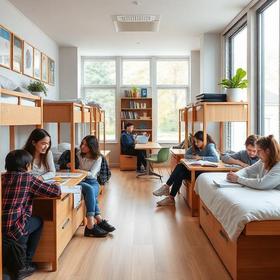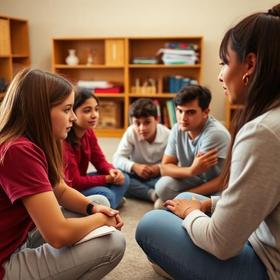

Friendships often become an essential part of the boarding school experience. Students share classrooms, meals, extracurricular activities, and residential spaces, creating relationships that can feel especially meaningful when they are living away from their families. For some students, one close friend becomes their primary source of comfort, companionship, and emotional support.
But what happens when your child's closest boarding school friend leaves midyear?
Whether the departure results from a family relocation, financial circumstances, a school transfer, or personal reasons, losing a close companion can significantly disrupt a student's daily life. Familiar routines suddenly change, shared activities feel different, and a student who previously felt secure may begin questioning their place within the school community.
For parents, the challenge is understanding how deeply this change affects their child while helping them maintain the friendship and develop new connections. Recognizing the emotional impact, communicating with residential staff, and allowing time for adjustment can make the transition more manageable.
Why Losing a Close Boarding School Friend Can Feel Especially Difficult
Unlike friendships at traditional day schools, boarding school relationships often extend into nearly every part of a student's routine. Friends may wake up in neighboring dorm rooms, eat together, study in the same spaces, and spend weekends participating in campus activities.
When one friend leaves unexpectedly, the remaining student may experience more than ordinary disappointment. They may feel that an important part of their boarding school experience has disappeared.
The Child Mind Institute explains that losing a close friendship can be emotionally painful for children and teenagers. Although a friend moving away differs from a friendship ending because of conflict, both situations can involve feelings of sadness, uncertainty, and loss.
Some students become particularly distressed when their departing friend was the person who helped them adjust to boarding school initially. Without that familiar support, they may feel less confident navigating everyday social situations.
Parents should recognize that these reactions do not necessarily indicate that their child is unhappy with the school itself. The student may simply need time to adjust to a significant change in an otherwise positive experience.
Understanding Your Child's Reaction to a Midyear Friendship Loss
Students respond differently when a close friend leaves. Some openly express sadness, while others become quieter, irritable, or reluctant to participate in activities they previously enjoyed.
A student might continue performing well academically while feeling lonely during meals or weekends. Another may become unusually dependent on phone conversations with the departed friend, making it difficult to engage with classmates who remain on campus.
Parents should avoid assuming that their child will quickly find another best friend. Close relationships develop through shared experiences, trust, and time. Replacing an established friendship is not necessarily the immediate goal.
Instead, encourage your child to explain which aspects of the friendship they miss most. They may miss having someone to confide in, a regular study partner, or simply a familiar person to sit beside during meals.
Understanding these specific losses helps parents offer meaningful support rather than general reassurance.
How Parents Can Help Without Minimizing the Loss
When children describe feeling lonely after a friend leaves, parents may instinctively encourage them to make new friends immediately. Although well-intentioned, this response can make students feel that their existing friendship was unimportant.
A more effective approach begins with listening.
Ask your child what has changed since their friend departed and which moments of the school day feel most difficult. Acknowledge that missing someone who was part of everyday life is understandable.
The American Academy of Pediatrics emphasizes the importance of helping children recognize their emotions and maintain friendships when someone moves away.
Parents can also reassure students that developing additional friendships does not diminish the relationship they already value.
Boarding School Review's article on how often parents should visit boarding school students discusses balancing family support with opportunities for independence.
During a difficult friendship transition, predictable communication with home can provide reassurance without making parents responsible for resolving every social challenge.
Maintaining the Friendship After the Student Leaves
One of the most reassuring messages parents can offer is that a friendship does not have to end simply because two students no longer attend the same school.
Technology makes it possible for friends to maintain contact through messages, video calls, shared interests, and occasional visits. However, maintaining a long-distance friendship requires realistic expectations.
A student who transfers to another school may face unfamiliar schedules, academic responsibilities, and social commitments. Their availability may change, particularly during the first several weeks.
Parents can help their child establish a communication routine that respects both students' circumstances. A weekly video call or occasional weekend conversation may be more sustainable than expecting constant contact.
It is equally important to discuss privacy and boundaries. If the departing student left because of sensitive family or personal circumstances, your child should understand that maintaining the friendship does not entitle them to every detail.
Preserving the relationship while allowing both students to develop independently can help prevent the friendship from becoming a source of additional stress.
Rebuilding Everyday Social Connections at Boarding School
Although maintaining contact with a departed friend is valuable, the remaining student also needs opportunities for companionship within the boarding school community.
This does not mean immediately searching for another best friend. Instead, students can begin by strengthening relationships with classmates, teammates, dormmates, and peers who share similar interests.
The Centers for Disease Control and Prevention identifies positive peer interactions and shared activities as important contributors to students' sense of connection at school.
For boarding students, these opportunities might include joining a weekend activity, participating in a dormitory project, or inviting a classmate to study together.
Boarding School Review's discussion of friendships, cliques, and social fit highlights how peer relationships influence students' sense of belonging.
Parents should encourage gradual participation rather than pressuring their child to become more socially active overnight.
Sometimes, reconnecting with one familiar classmate is a more comfortable first step than joining an entirely new social group.
When Should Boarding School Staff Become Involved?
A close friend's departure does not automatically require intervention from school administrators. However, residential staff can provide valuable support when the change begins affecting a student's emotional well-being or participation in campus life.
Dorm parents, advisers, and counselors may notice changes that are less visible during conversations with family members. These could include withdrawing from communal meals, spending more time alone, or avoiding previously enjoyable activities.
The Centers for Disease Control and Prevention highlights the importance of supportive relationships between students and teachers, particularly when young people experience uncertainty or emotional difficulties.
Parents can contact their child's adviser or dorm parent to explain the situation and ask whether staff have observed any concerning changes.
Boarding School Review's article on dorm life at boarding schools explains how residential communities and faculty support contribute to students' everyday experiences.
The objective should be to provide appropriate support without making the student feel unnecessarily singled out.
What Happens if the Departing Friend Was Also a Roommate?
The transition may become more complicated when the departing friend shared a dormitory room with your child.
An empty bed can become a daily reminder of the friendship, particularly during evenings and weekends when students previously spent time together.
Depending on the school's housing arrangements, administrators may assign another roommate, allow the student to remain alone temporarily, or propose a different room assignment.
Parents should ask how the school handles midyear roommate vacancies and whether students have opportunities to express their preferences.
Boarding School Review's guide to roommate matching at boarding schools explains why compatibility, expectations, and communication matter in shared residential arrangements.
A new roommate should not be expected to replace the departed friend. Instead, the immediate priority is establishing a comfortable living arrangement that respects both students' needs.
Recognizing When Sadness Becomes a Larger Concern
Feeling disappointed or lonely after a close friend's departure is understandable. However, parents should monitor whether those feelings gradually become more manageable.
Persistent withdrawal, significant changes in sleeping or eating patterns, declining academic performance, or increasing reluctance to remain at school may indicate that additional support is needed.
Parents should also pay attention when a student repeatedly expresses hopelessness or appears unable to participate in ordinary activities.
In these circumstances, arranging a conversation with the school counselor or an appropriate mental health professional may be necessary. Any indication of immediate danger or self-harm requires urgent assistance.
The goal is not to treat every emotional reaction as a serious problem, but to recognize when ordinary adjustment support is no longer sufficient.
Helping Your Child Move Forward Without Forgetting Their Friend
One of the most important lessons students can learn from this experience is that friendships can remain meaningful even when circumstances change.
A student may continue exchanging messages with their former classmate while gradually developing stronger relationships with others at school. Over time, new friendships and activities can become part of their routine without diminishing the importance of the original relationship.
Parents can support this process by recognizing small improvements, such as attending a weekend event, inviting another student to dinner, or feeling comfortable spending time with a different group.
There is no fixed timetable for adjusting to the departure of a close friend. Some students regain their confidence quickly, while others need additional time and encouragement.
What matters most is that the student continues feeling supported, valued, and connected to the boarding school community.
Conclusion
When your child's closest boarding school friend leaves midyear, the experience can affect far more than their social calendar. It can change familiar routines, disrupt their sense of belonging, and create uncertainty about relationships they previously relied upon.
Parents can help by acknowledging the emotional significance of the departure, encouraging realistic communication with the friend who has left, and supporting opportunities to develop additional connections.
When necessary, residential staff and counselors can provide reassurance and help students navigate the transition.
Ultimately, losing daily contact with a close friend does not mean losing the friendship itself. With patience, understanding, and appropriate support, students can preserve meaningful relationships while continuing to build a fulfilling boarding school experience.