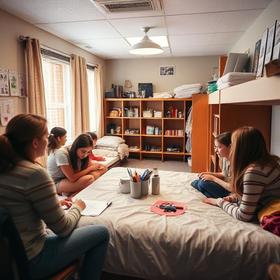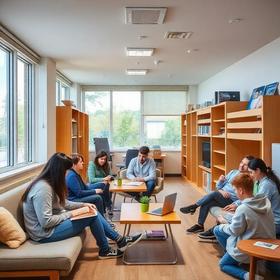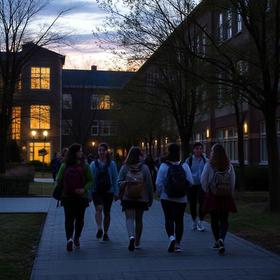

Winter term is often the most demanding stretch of the academic year for boarding school students. As temperatures drop and daylight hours shorten, students face a unique combination of academic pressure, seasonal illness risks, and emotional fatigue. A strong Winter Term Survival Guide is essential for helping students maintain both health and academic focus in a structured residential environment.
For boarding schools, this season is not just about endurance; it is about intentional routines, proactive wellness strategies, and supportive community systems that keep students performing at their best. In 2026, schools are increasingly emphasizing integrated wellness models that combine physical health, mental resilience, and academic support in a coordinated way.
This guide outlines practical, evidence-based strategies to help students thrive during winter term.
Why Winter Term Is Especially Demanding in Boarding Schools
Winter term brings together several stressors that can affect student performance:
- Increased exposure to respiratory illnesses in close living quarters
- Reduced sunlight, which can affect mood and energy levels
- Heavier academic workloads as mid-year assessments approach
- Limited outdoor activity due to weather conditions
- Homesickness or emotional fatigue after extended time away from family
In boarding environments, these factors are amplified by shared dining halls, dormitories, and study spaces. Schools that succeed during winter term typically focus on preventative wellness systems rather than reactive responses.
Health Foundations: The Core of a Winter Term Survival Guide
Physical health is the foundation of academic focus. Without it, even highly motivated students struggle to maintain concentration and energy.
Sleep as a Performance Driver
Sleep