When families think about boarding schools, they often focus on academics, athletics, and college preparation. Yet one of the most important influences on student success may be the adults who live alongside students every day: dorm parents.
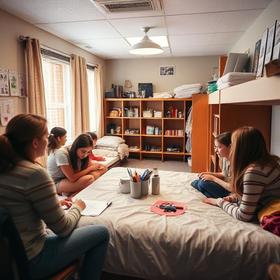
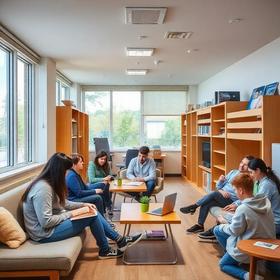
Known at some schools as houseparents, residential faculty, or dorm faculty, these educators wear many hats. They supervise dormitories, mentor students, support emotional well-being, help resolve conflicts, and often teach classes or coach athletic teams.
For students, dorm parents are frequently the first adults they turn to when facing challenges away from home. For parents, they provide reassurance that caring adults are available around the clock. According to the National Association of Independent Schools (NAIS), strong student-adult relationships are among the most important factors contributing to student engagement and development in residential communities.
What does a typical day actually look like for a dorm parent? The answer reveals just how much happens behind the scenes in boarding school life.
More Than a Residential Supervisor
Many families assume dorm parents simply oversee residence halls during evenings and weekends. In reality, residential faculty often play a much larger role within the school community.
A dorm parent may simultaneously serve as:
- A classroom teacher
- An athletic coach
- A student advisor
- A club sponsor
- A residential supervisor
- A mentor and counselor
This multi-faceted role allows dorm parents to build meaningful relationships with students across multiple settings throughout the day.
As explained in Boarding School Residential Life Models Explained, residential programs are intentionally designed to integrate academics, mentorship,